From Local Races to Global Heritage: Horse Racing in Australia and New Zealand

From Local Races to Global Heritage: Horse Racing in Australia and New Zealand
For more than a century and a half, horse racing has been woven into the cultural fabric of both Australia and New Zealand. What began as small, informal contests on dusty colonial fields has evolved into a multibillion-dollar industry that captures the attention of entire nations. Today, racing in these two countries is not only about speed and competition—it’s a celebration of tradition, community, and national pride.
From Colonial Beginnings to Modern Racecourses
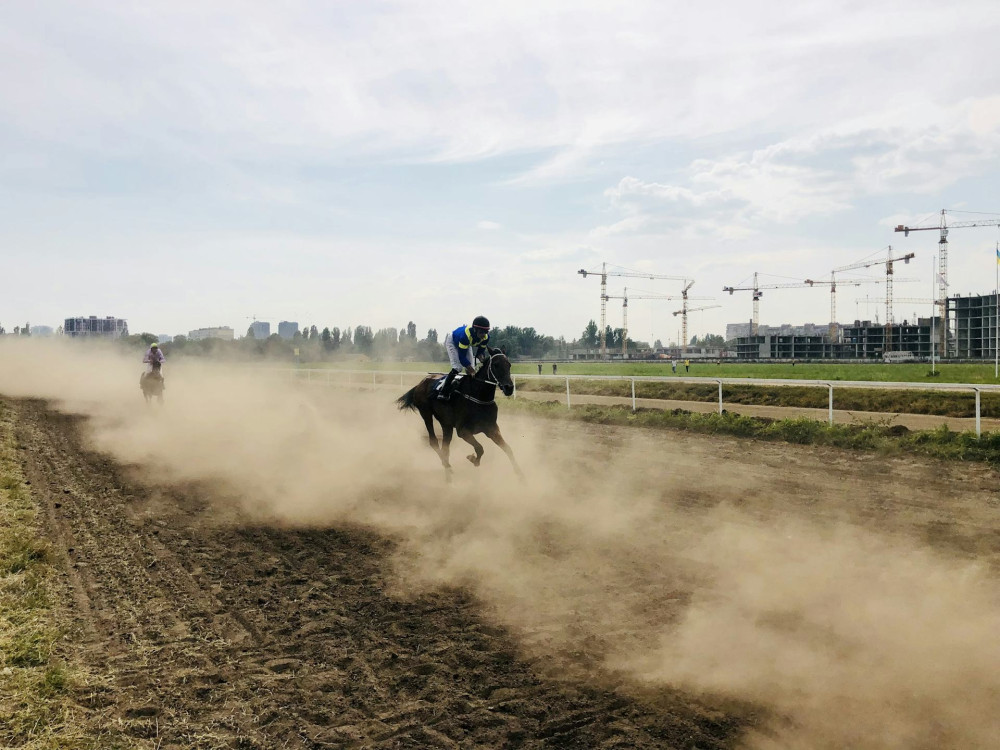
The story of horse racing in Australia dates back to the early 1800s, shortly after British settlers arrived. Horses were essential for transport and work, but they quickly became symbols of prestige and entertainment. Early races were organized by soldiers and settlers, often on improvised tracks. In New Zealand, the sport followed a similar path, with local farmers and townspeople hosting races on grass fields and beaches.
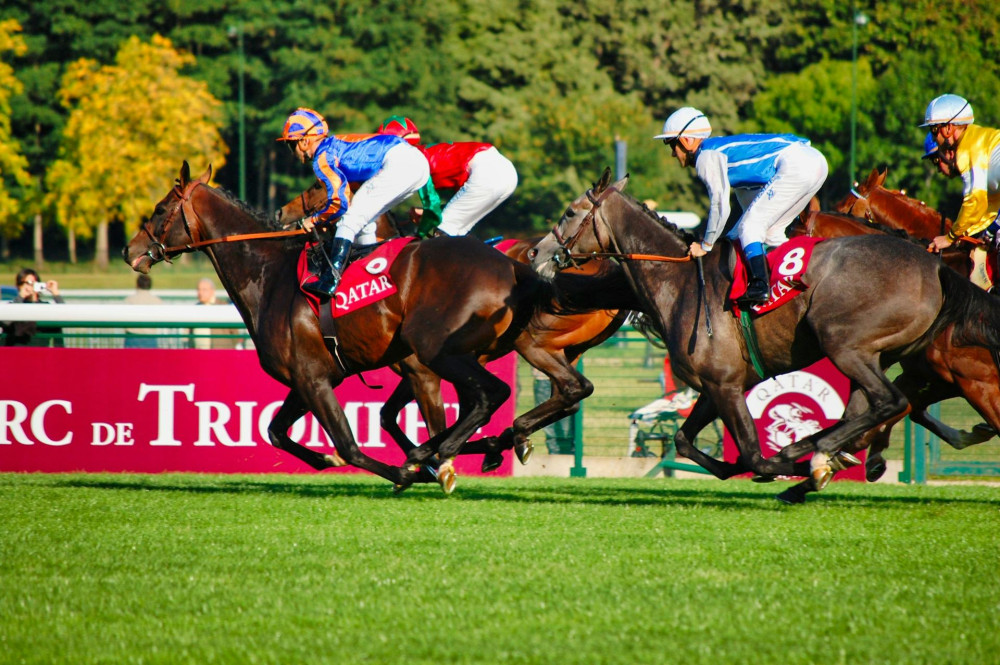
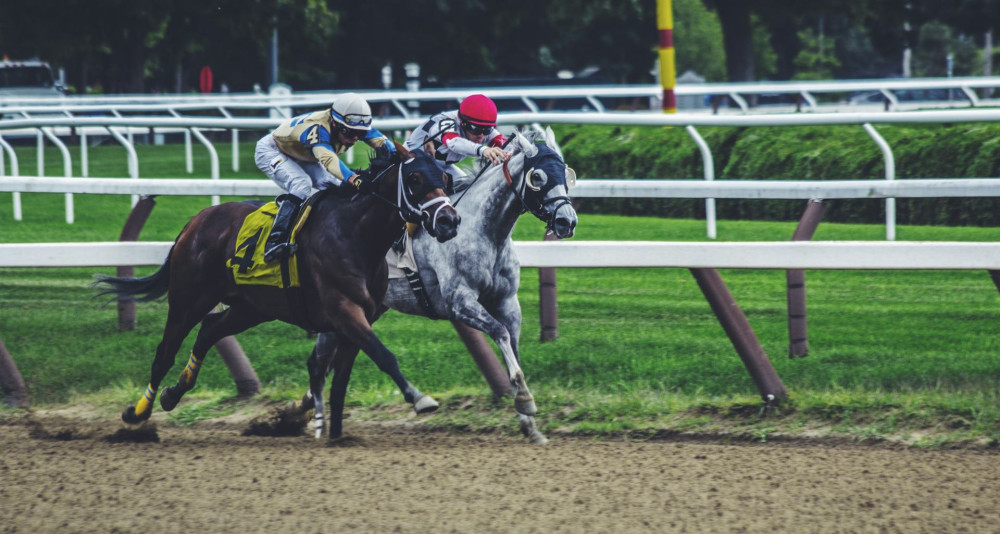
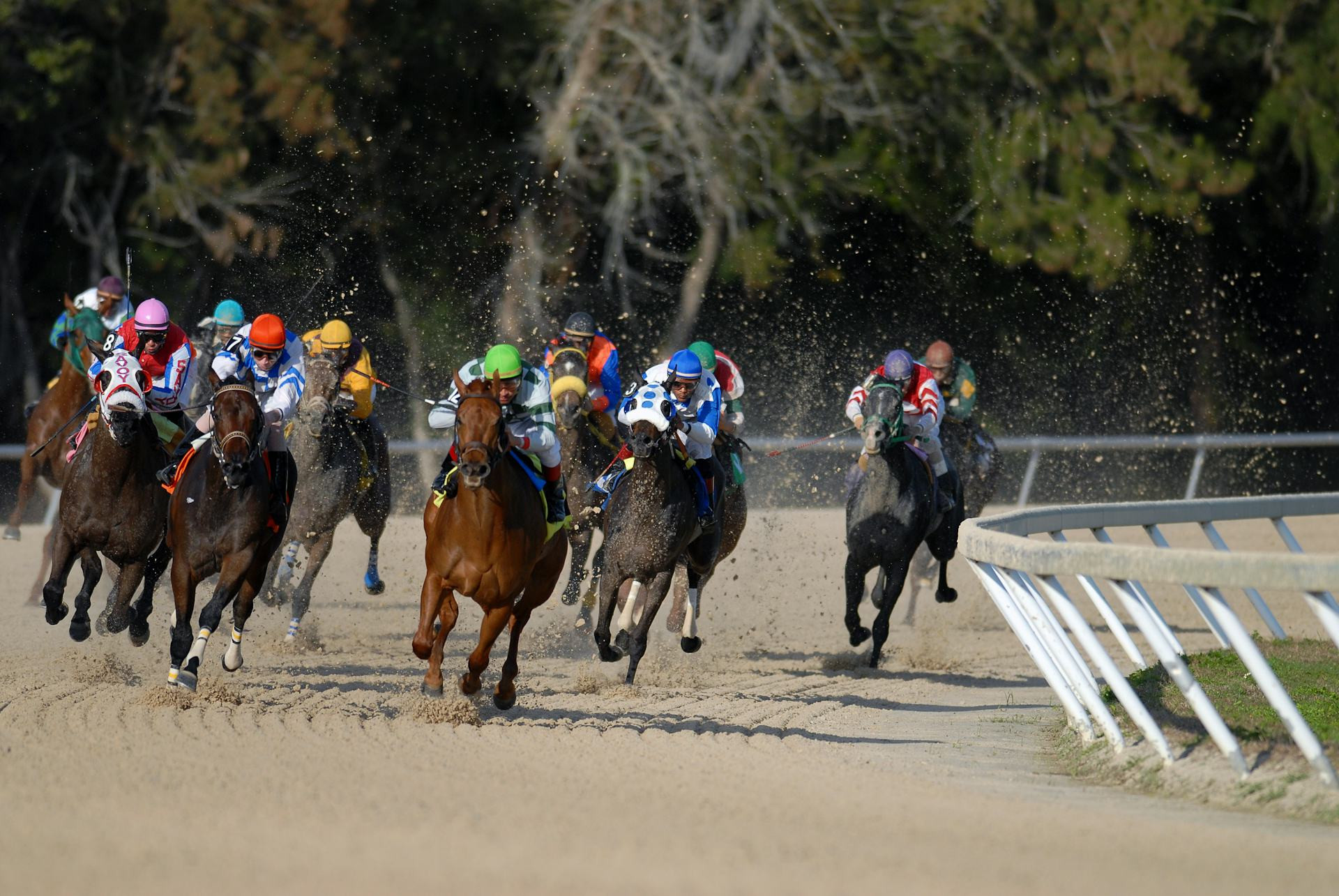
As the colonies grew, so did the sport’s sophistication. Iconic venues such as Flemington Racecourse in Melbourne and Ellerslie Racecourse in Auckland became central to the racing calendar. Breeding programs flourished, and both nations developed reputations for producing world-class thoroughbreds. Today, Australia and New Zealand stand among the global leaders in both flat racing and harness racing.
The Melbourne Cup – “The Race That Stops a Nation”
No event captures Australia’s passion for horse racing quite like the Melbourne Cup. First run in 1861, it has become a national institution. On the first Tuesday of November, workplaces pause, schools tune in, and millions of Australians place friendly bets. The race is more than a sporting contest—it’s a cultural phenomenon.
The Melbourne Cup is also a showcase of fashion and festivity. The famous “Fashions on the Field” competition highlights the event’s social side, where style and creativity are celebrated alongside athletic excellence. For many Australians, the Cup represents a shared moment of excitement that bridges city and countryside, tradition and modernity.
New Zealand’s Proud Racing Traditions
Across the Tasman Sea, New Zealand’s racing culture is equally rich, though often more community-oriented. The country has produced some of the world’s most successful jockeys, trainers, and racehorses. Events like the New Zealand Cup and the Karaka Million draw large crowds and mark highlights of the national sporting year.
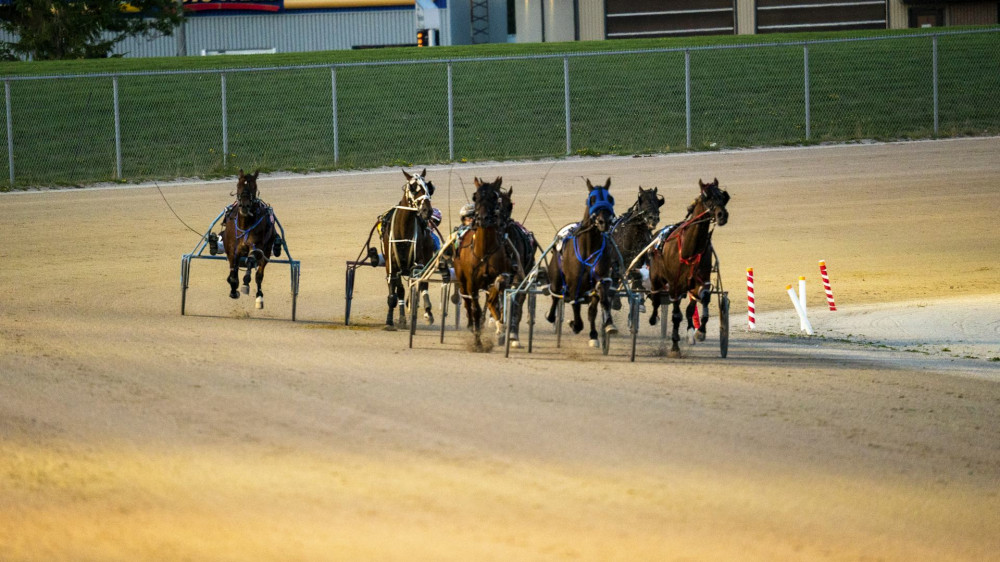
Harness racing, in particular, holds a special place in New Zealand’s heart. Many small towns maintain their own tracks, and family-owned stables have passed down their passion for generations. These local meets are as much social gatherings as they are sporting events, reflecting the close-knit nature of rural New Zealand life.
A Global Industry with Local Roots
Today, horse racing in Australia and New Zealand is a major economic force, employing tens of thousands—from trainers and jockeys to veterinarians, breeders, and event organizers. Both countries are also major exporters of thoroughbreds, whose bloodlines compete and breed successfully around the world.
Digital technology has transformed the way fans engage with the sport. Online betting platforms, live streaming, and international partnerships have made it possible for audiences in the United States and beyond to follow races in Sydney or Christchurch in real time. The sport’s reach is now truly global, even as it remains deeply rooted in local traditions.
Ethics, Welfare, and the Future of the Sport
Like many traditional sports, horse racing faces modern challenges. Animal welfare, sustainability, and transparency have become central concerns. In recent years, both Australia and New Zealand have introduced stricter regulations on training, transport, and post-racing care to ensure the well-being of horses and the integrity of the sport.
At the same time, racing organizations and communities are working to preserve the sport’s cultural significance. For many participants, horse racing is not just about competition or profit—it’s about heritage, community, and respect for the horse as an athlete.
Læs også:

A Living Part of National Identity
From its colonial origins to its place on the global stage, horse racing in Australia and New Zealand remains a defining element of national identity. It connects generations, unites urban and rural communities, and continues to evolve with the times.
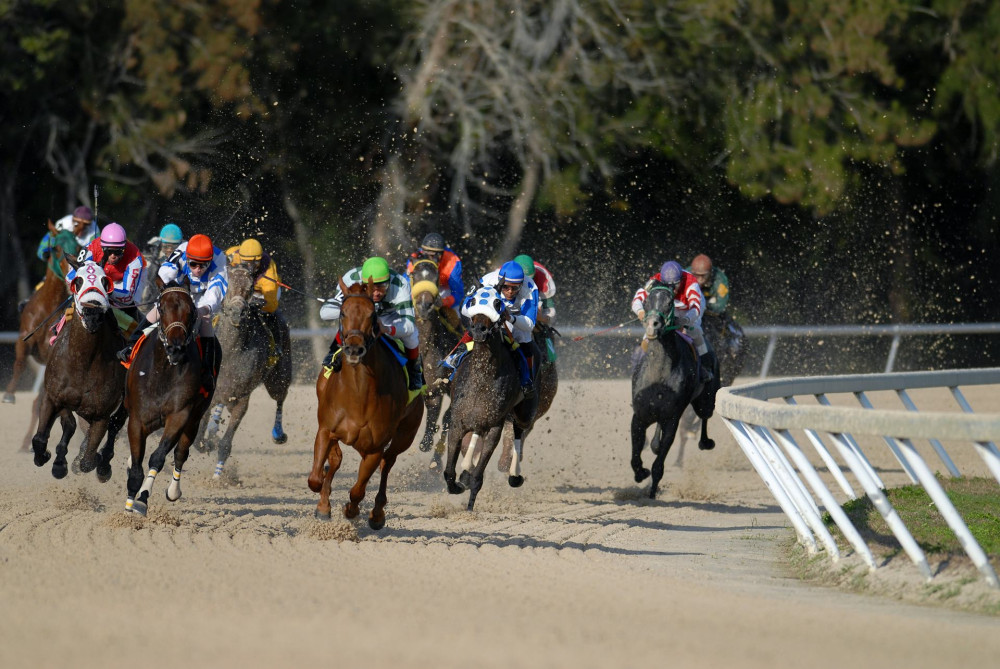
When the gates open and the horses thunder down the track, it’s more than a race—it’s a living tradition, a celebration of history, and a reminder that some legacies, like the sound of hooves on turf, never fade.
Læs også: