Round by Round: How Fight Length Affects Risk

Round by Round: How Fight Length Affects Risk
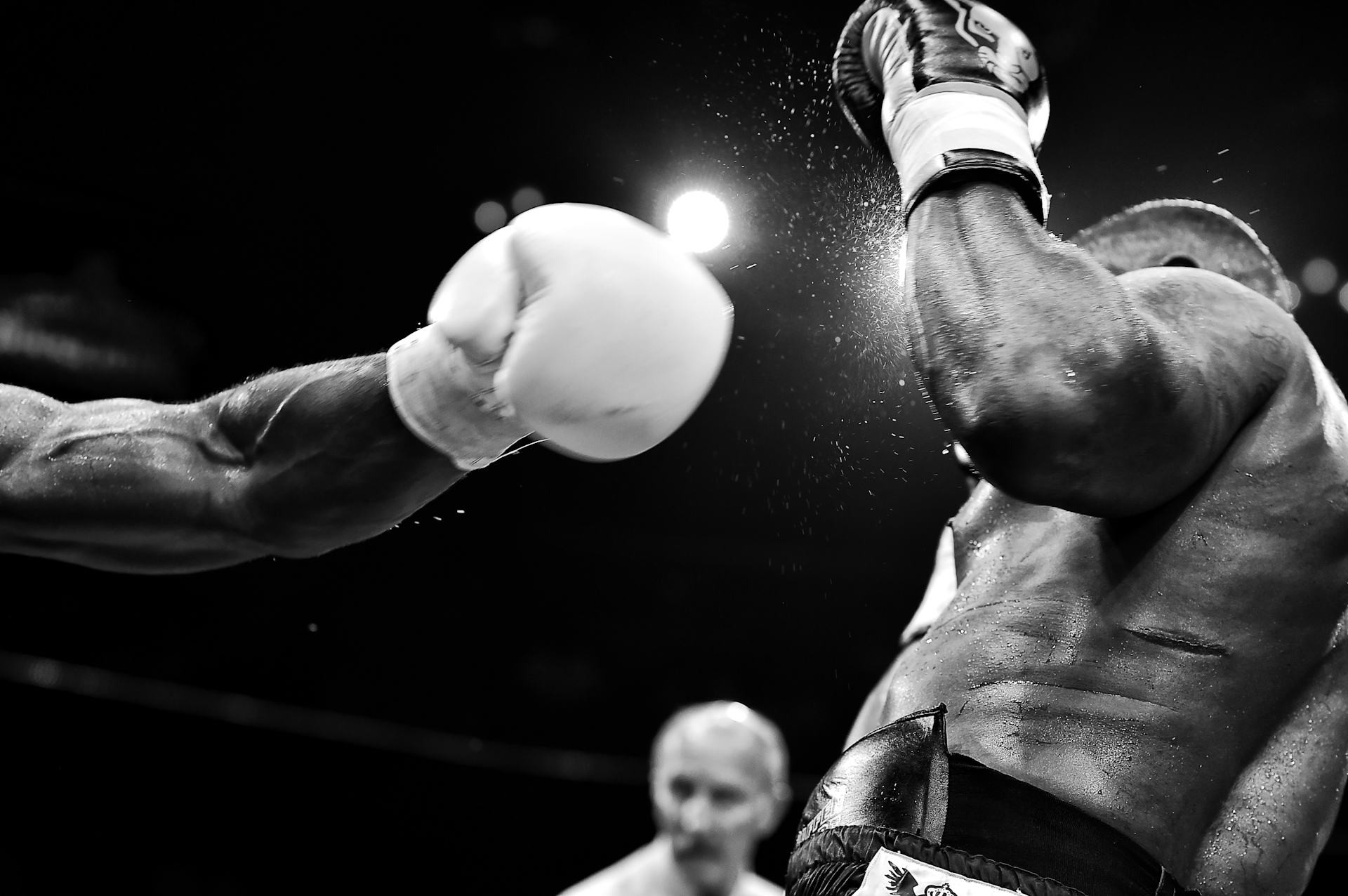
When two fighters step into the ring, it’s not just skill, power, and strategy that determine the outcome — time plays a crucial role too. The length of a fight shapes both performance and risk. The more rounds a bout lasts, the greater the physical and mental strain, and the higher the chance of mistakes, injuries, and unexpected turns. For boxers, coaches, and fans — including those who follow the sport from a betting perspective — understanding how fight duration affects risk is essential.
Physical Fatigue – The Invisible Opponent
A boxing match is an intense mix of explosive strength, quick reflexes, and constant movement. In the early rounds, energy levels are high and technique is sharp. But as the minutes tick by, fatigue sets in. Muscles tighten, reactions slow, and focus begins to fade.
It’s often in the later rounds that fights change character. A boxer who dominated early may suddenly lose pace, while the opponent gains momentum. The risk of taking a decisive punch rises sharply when the body no longer responds as it should.
Mental Pressure and Decision Fatigue
Boxing isn’t just physical — it’s deeply mental. Every round demands split-second decisions: attack, retreat, or wait? After several rounds of intense concentration, even experienced fighters can start making poorer choices.
This mental fatigue can lead to defensive lapses, misjudged distances, or mistimed counters. From a betting standpoint, this means the later rounds are often more unpredictable — and odds on late stoppages reflect that growing uncertainty.
Injuries and Knockout Risk
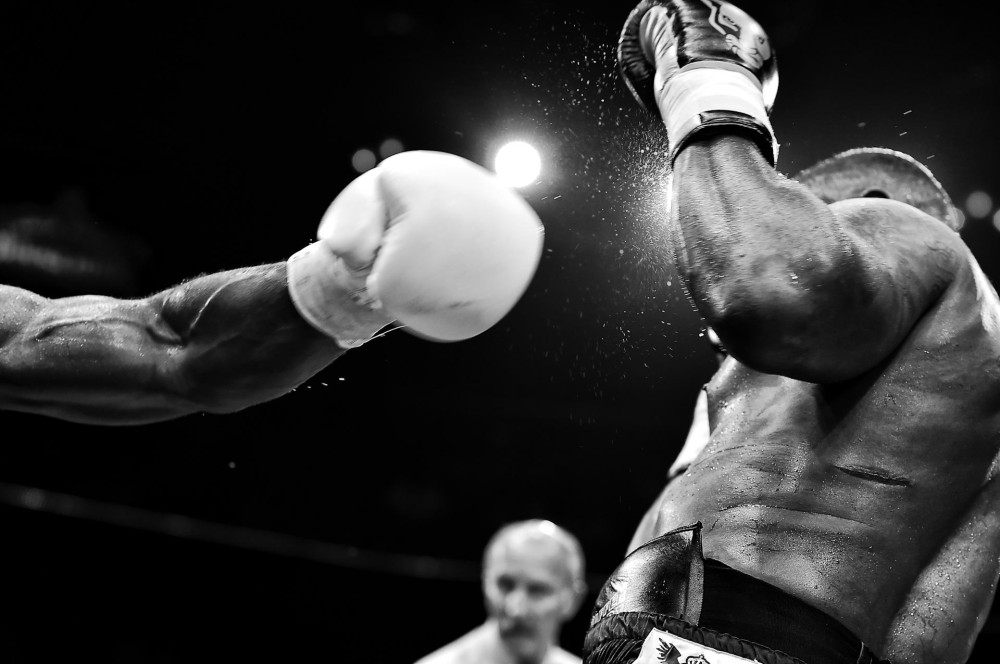
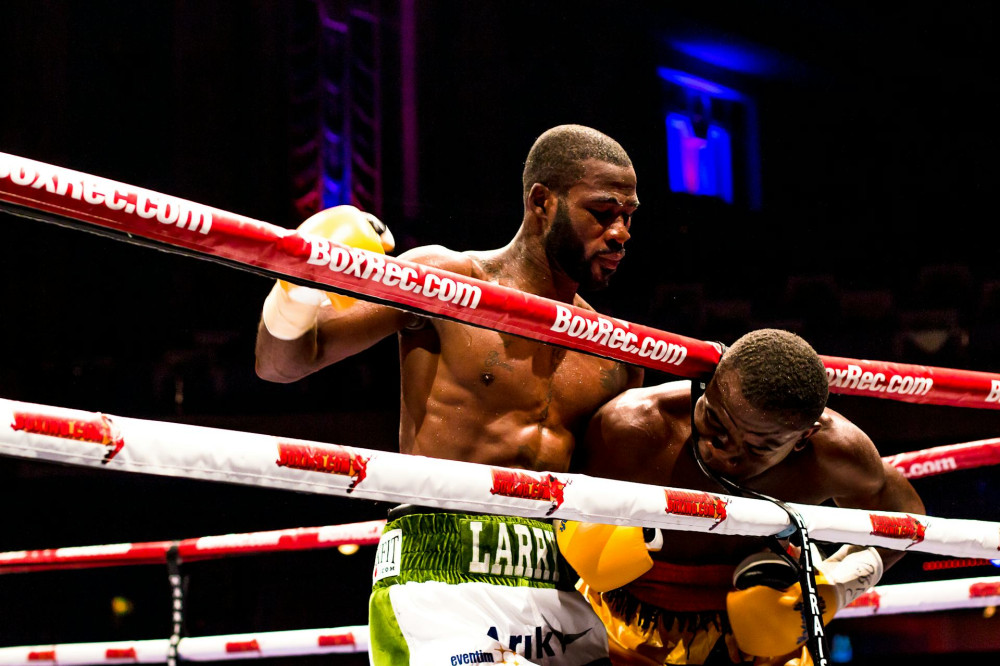
The longer a fight lasts, the more punches are exchanged. That increases the risk of both immediate and cumulative injuries. A single clean shot can end a fight, but often it’s the accumulation of smaller blows that eventually breaks a boxer down.
Statistics show that knockouts are more common in later rounds, especially in 10- or 12-round bouts. It’s not necessarily that the punches are harder — it’s that the body and brain are more vulnerable after prolonged strain. For trainers, the challenge is balancing the drive to win with the duty to protect their fighter. For bettors, it’s a key factor when assessing the likelihood of an early or late finish.
Strategy: Pace, Tactics, and Adaptation
Smart fighters plan their energy use carefully. Some start fast, hoping to dominate early and end the fight quickly. Others take a more patient approach, conserving energy and waiting for their opponent to tire.
Fight length therefore influences not only risk but also strategy. A boxer known for endurance may thrive in long bouts, while a heavy puncher might aim for a quick knockout. For analysts and fans, understanding how these styles interact with fight duration is crucial to predicting outcomes.
What It Means for Betting
When evaluating a fight, it’s not enough to look at past wins and losses. You also need to consider how each fighter performs over time. Do they fade in the later rounds? Have they scored most of their knockouts early? Or are they known for maintaining pace all the way to the final bell?
Fight length affects not only who wins but also how the fight ends — whether it goes the distance or finishes early. The longer a bout lasts, the greater the uncertainty — and with it, the potential for surprises.
Læs også:


Time Raises the Stakes — and the Excitement
Boxing is, by nature, a sport of risk, and fight length amplifies both the drama and the danger. Each round brings new opportunities — and new threats. For the fighter, it’s about maintaining focus and energy. For the spectator and analyst, it’s about understanding how time changes the dynamics of the fight.
Round by round, the risk grows — but that’s exactly what makes boxing so compelling.
Læs også: