Qualifications, Races, and Seasons – How the Format Affects Your Betting Opportunities

Qualifications, Races, and Seasons – How the Format Affects Your Betting Opportunities
When it comes to motorsport betting, it’s not just about knowing who’s the fastest driver. The structure of qualifying sessions, race formats, and season schedules plays a major role in how odds shift—and how you can find value. What does it mean, for example, that Formula 1 now features sprint weekends, or that NASCAR’s playoff system changes the stakes late in the year? Here’s how the format affects your betting opportunities—and how to use that knowledge to your advantage.
Qualifying – More Than Just a Starting Grid
Qualifying is often underestimated in betting, but it provides key insights into pace, setup, and team performance. In most series, qualifying determines the starting order, but it also reveals how well a team has adapted to track conditions and car balance.
- Formula 1: Qualifying is split into three sessions (Q1, Q2, Q3). A driver who looks strong early but fades in Q3 might still have race pace, especially if weather or tire strategy comes into play. Watching sector times and tire choices can help you spot hidden value.
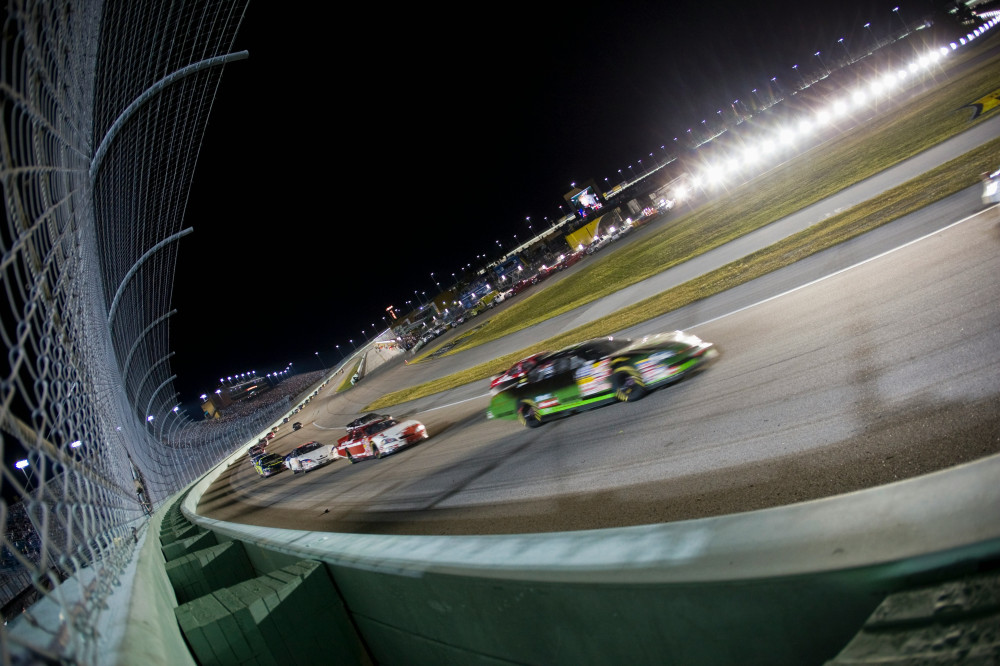
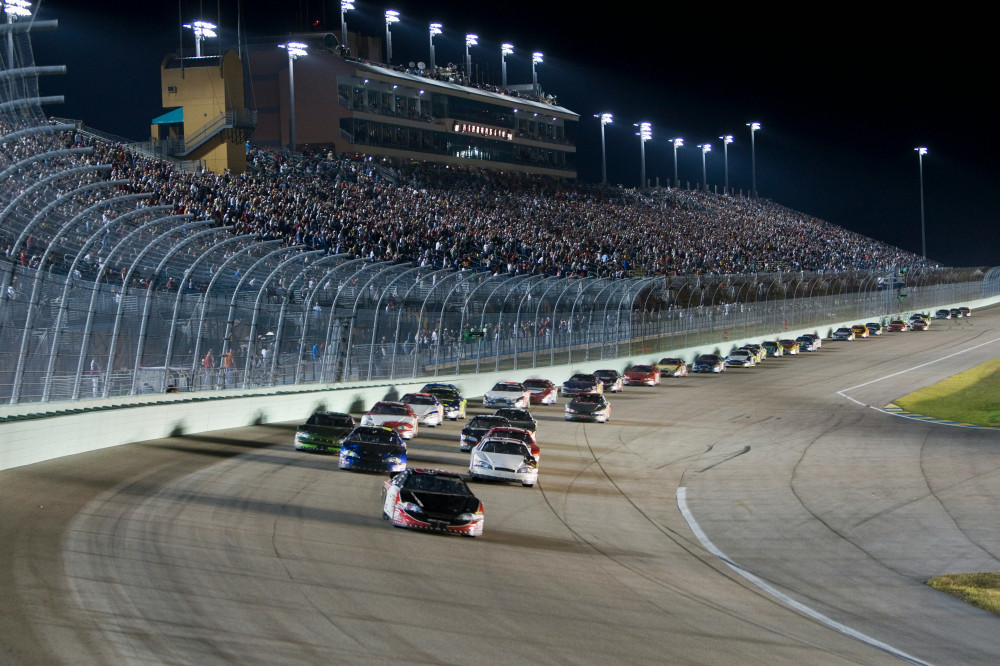
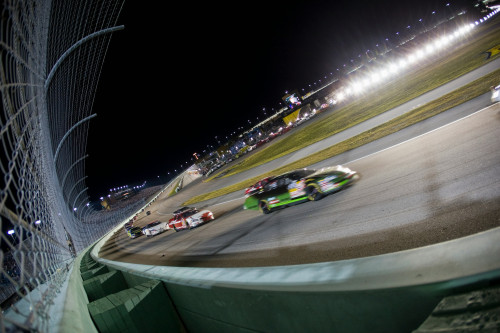
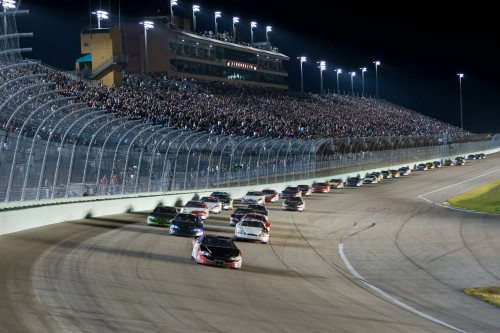
- NASCAR: Qualifying formats vary by track type. On superspeedways, drafting plays a big role, while on short tracks, raw speed matters more. A driver starting mid-pack at Daytona might still be a strong contender due to the nature of pack racing.
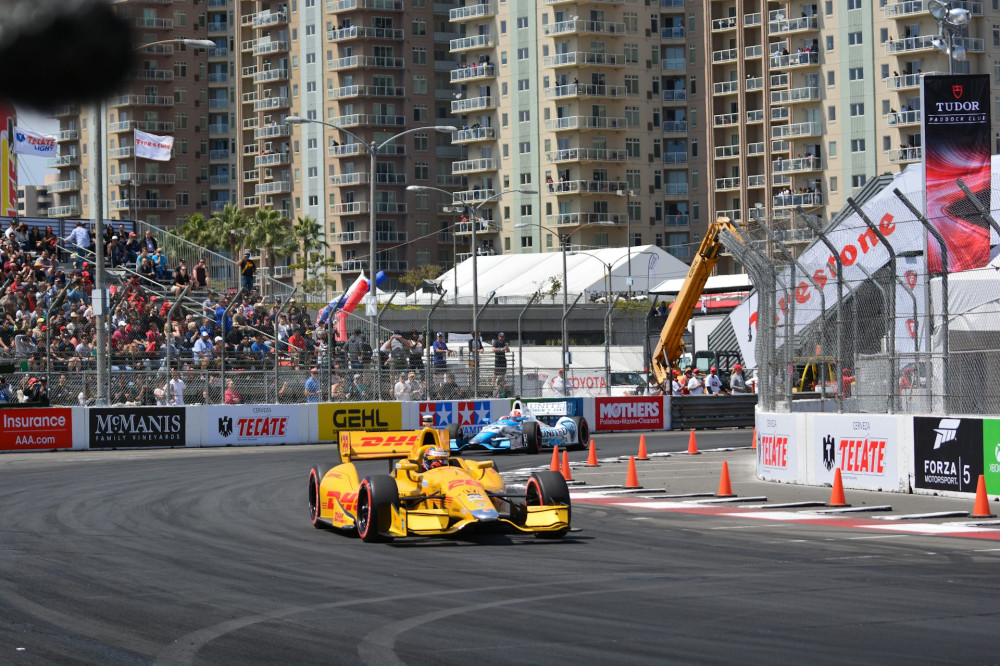
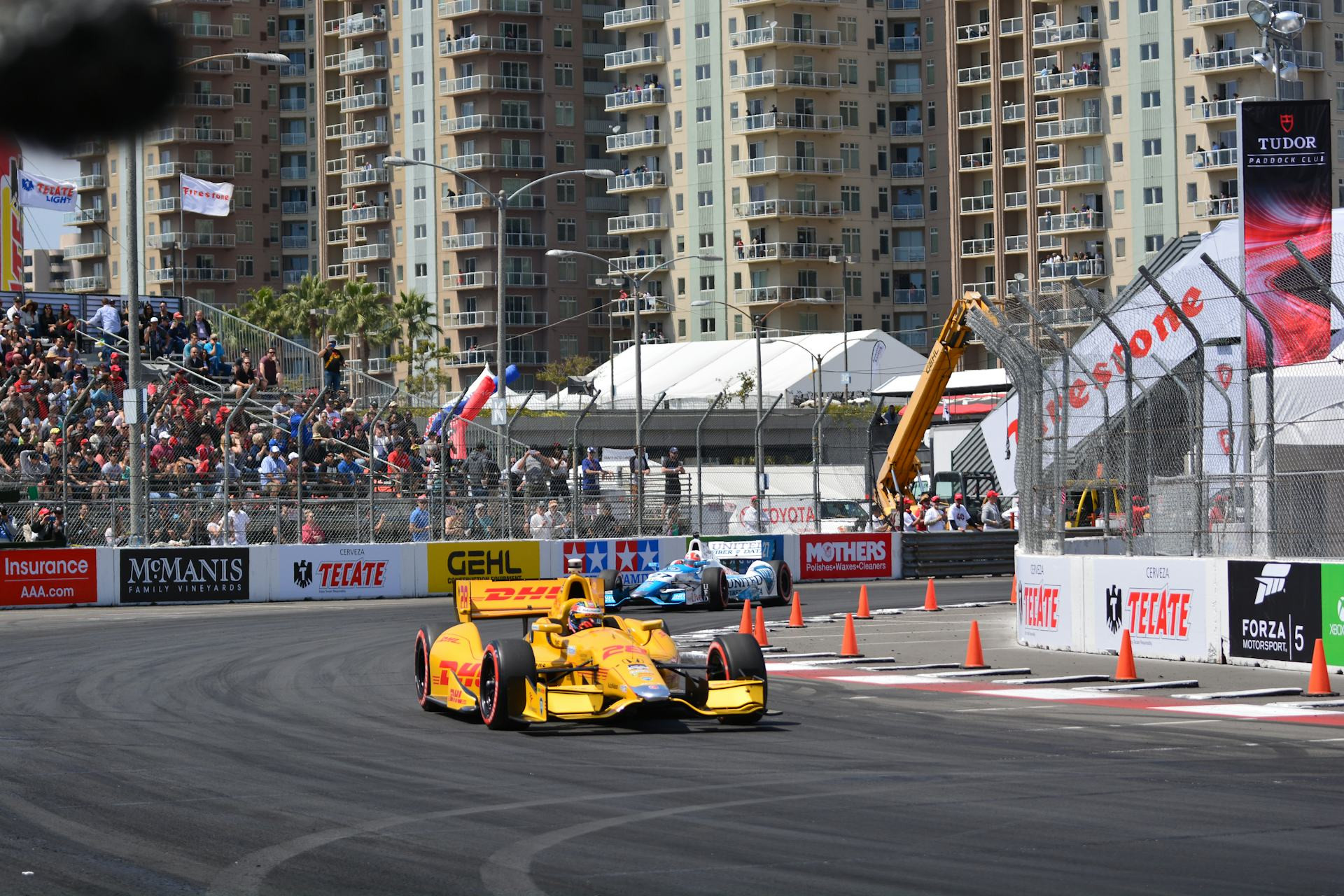
- IndyCar: With oval and road course events, qualifying can mean very different things. Pole position on a street circuit is a huge advantage, while on ovals, race strategy and pit execution often matter more.
By analyzing qualifying results, you can identify when odds don’t reflect true race potential. A poor qualifying session doesn’t always mean a poor race—especially in series where overtaking is common.
Race Format – Strategy, Weather, and Points
The race format itself has a huge impact on betting strategy. A short sprint race demands aggression, while a long endurance event rewards consistency and pit stop precision.
- Sprint Races: Formula 1’s sprint weekends now offer two separate betting opportunities—Saturday’s sprint and Sunday’s main race. Momentum from the sprint often carries over, but teams may also use it to test setups, creating unpredictable results.
- NASCAR Stages: Modern NASCAR races are divided into stages, each awarding points. This format encourages aggressive racing early on, which can lead to more cautions and shake up betting markets. Live betting becomes especially interesting as strategies evolve.
- Endurance Racing: In events like the 24 Hours of Daytona or Le Mans, reliability and teamwork are key. Live betting can be rewarding here, as mechanical issues, weather changes, and night driving all influence outcomes over time.
Understanding how each format shapes race dynamics helps you anticipate when and where value might appear—especially when bookmakers rely too heavily on qualifying results or past winners.
The Season – Momentum and Motivation
Motorsport seasons are long, and team performance fluctuates. A driver fighting for a championship will often take fewer risks than one with nothing to lose. This affects both qualifying and race behavior.
- Early Season: Teams are still learning about their cars, and surprises are common. This is when underdogs can deliver—and when odds may not yet reflect true performance levels.
- Midseason: Patterns start to emerge. Top teams refine their setups, and consistency becomes key. Betting markets tend to stabilize, but opportunities still exist when weather or track types change.
- Late Season: Motivation varies widely. Some drivers are chasing titles, others are auditioning for next year’s seats. In NASCAR’s playoffs, for example, only a subset of drivers are eligible for the championship, but non-playoff drivers can still win races—creating unique betting angles.
Recognizing these shifts in motivation and momentum can help you spot when a driver or team is undervalued.
Læs også:


Track and Weather – The Hidden Variables
Even the best format can be turned upside down by weather. Rain, temperature, and wind all play massive roles in motorsport. Some drivers excel in wet conditions, while others struggle. Track characteristics—tight and technical versus fast and flowing—also favor different teams.
Always check the forecast and track history before placing bets. A wet qualifying session can scramble the grid, and a race with a high chance of cautions or safety cars can completely change strategy. In U.S. series like IndyCar or NASCAR, where weather delays are common, flexibility is key.
Using the Format to Your Advantage
To make the most of your motorsport bets, combine knowledge of the format with data and observation:
- Analyze qualifying trends – Who improves most between sessions or runs?
- Understand race structure – How do pit stops, cautions, or sprints affect pace and strategy?
- Track seasonal momentum – Who’s on the rise, and who’s fading?
- Monitor weather and track conditions – They can turn a favorite into an underdog overnight.
Thinking like a race strategist helps you find value where others only see odds.
Betting on Motorsport Requires Timing and Insight
Motorsport is unpredictable—and that’s what makes it so exciting to bet on. But success takes more than luck. It’s about understanding how qualifying, race formats, and season dynamics interact, and how small changes in structure can lead to big differences in results.
When you learn to read the patterns behind the format, you don’t just improve your betting strategy—you gain a deeper appreciation for the sport itself.
Læs også: