Understanding the Structure of Motorsport Series and Spotting Long-Term Betting Trends

Understanding the Structure of Motorsport Series and Spotting Long-Term Betting Trends
Motorsport is a thrilling blend of speed, strategy, and engineering excellence. For most fans, it’s about the excitement of the race. But for those interested in betting, there’s a deeper layer of patterns and long-term trends hidden beneath the surface. Understanding how motorsport series are structured—and how those structures influence performance over time—is key to identifying valuable betting opportunities.
The Many Layers of Motorsport
Motorsport isn’t a single discipline but a network of series, classes, and championships, each with its own rules, scoring systems, and technical regulations. These differences shape how races unfold and how bettors can analyze them.
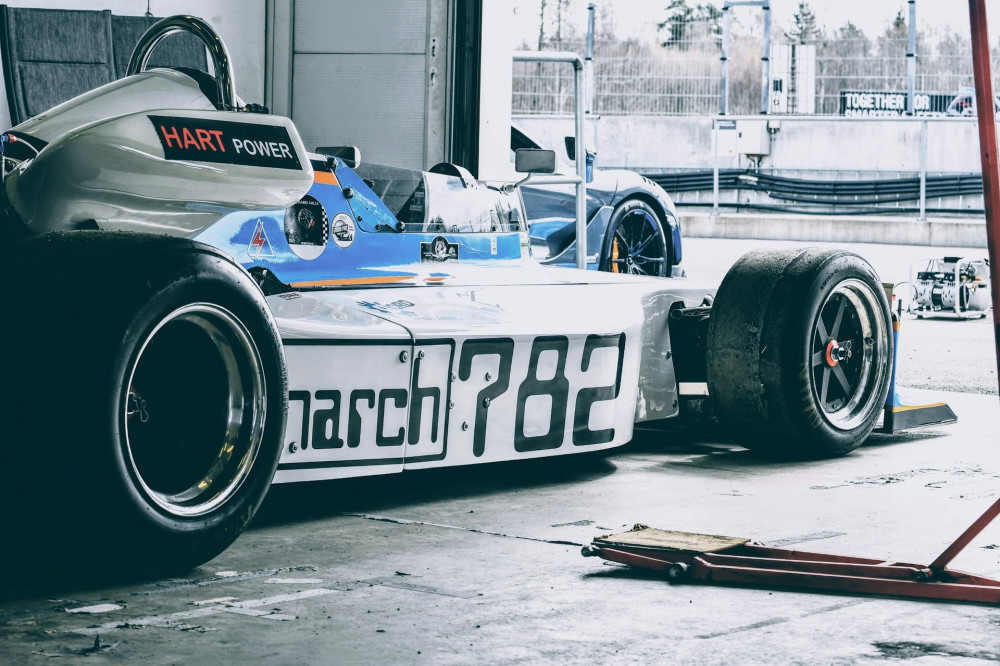
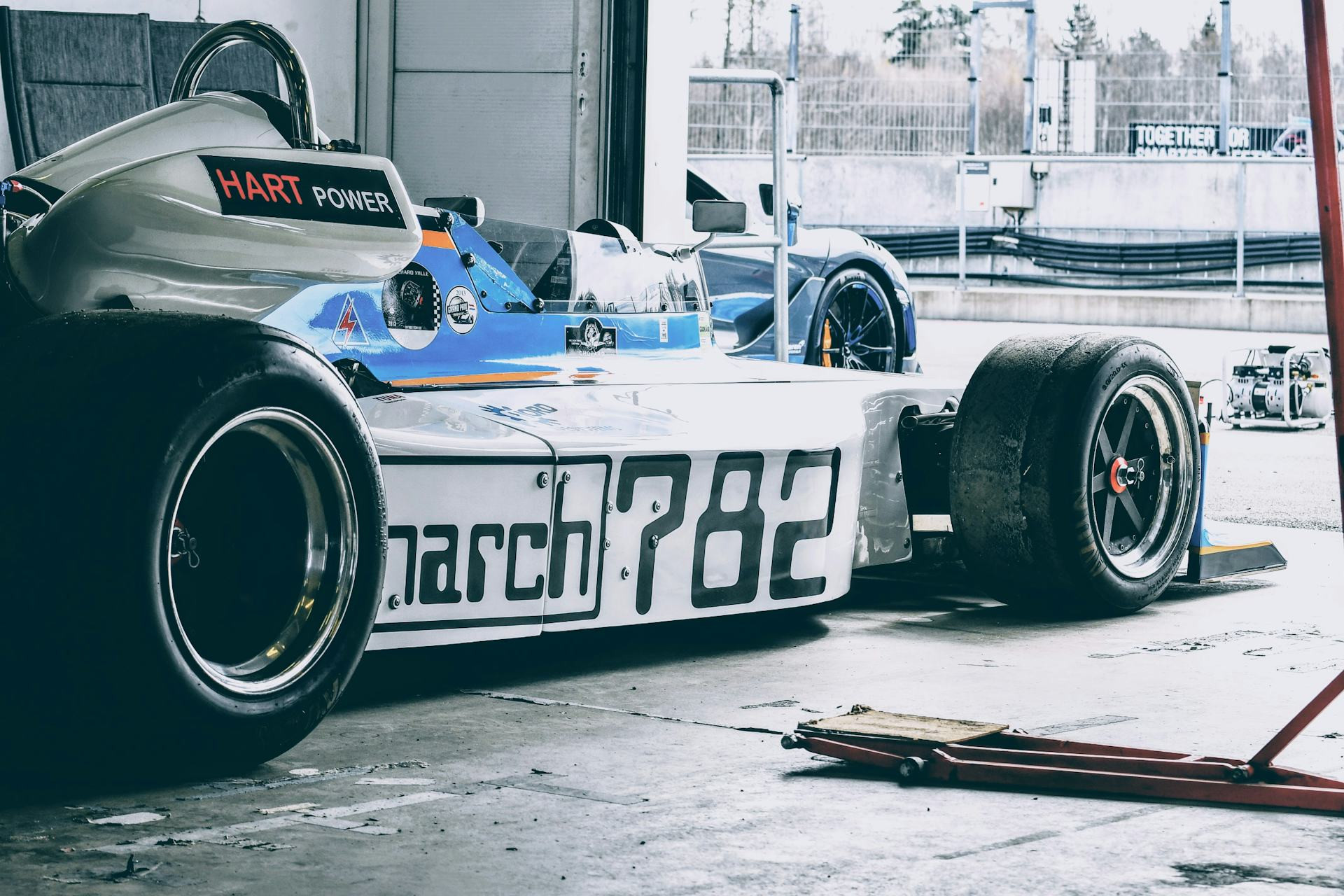
- Formula 1 sits at the top of open-wheel racing, where technology, aerodynamics, and team strategy are crucial. Even minor upgrades can shift the balance of power.
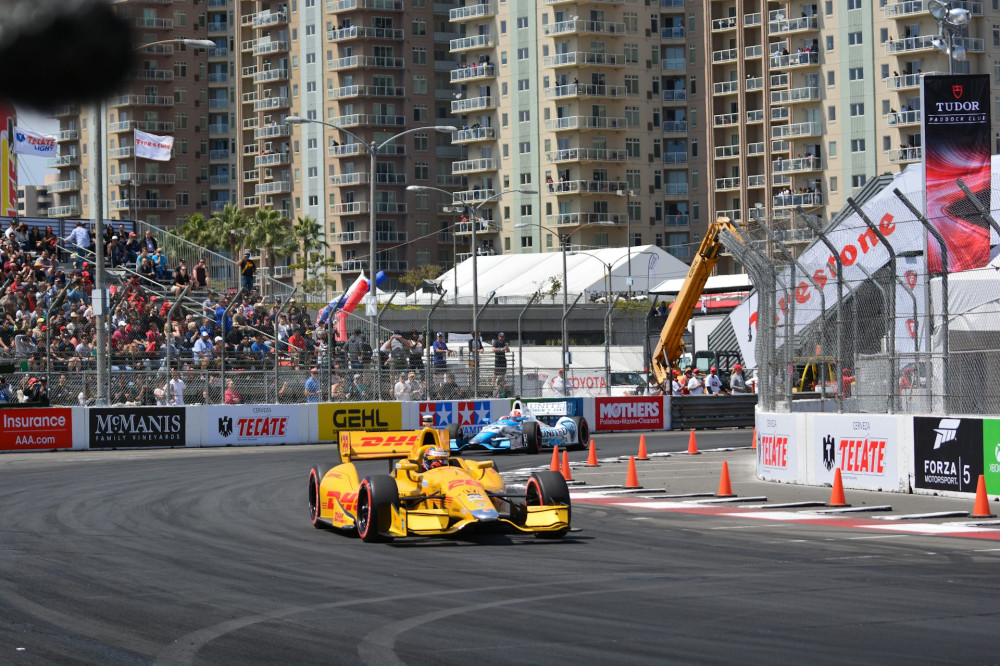
- IndyCar offers a more level playing field, with spec chassis and engines that emphasize driver skill and team execution over raw spending power.
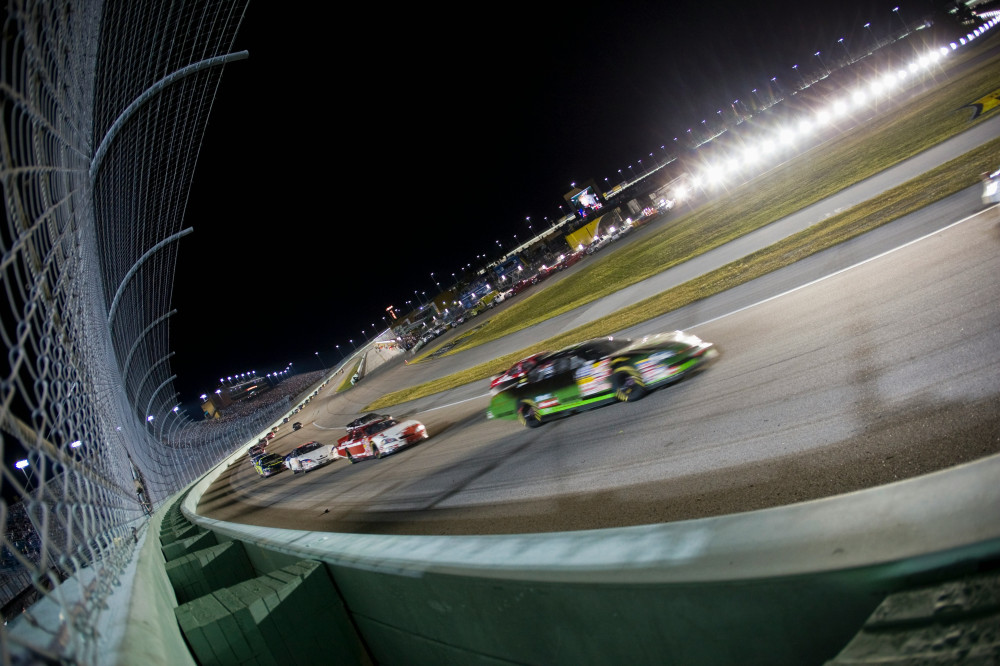
- NASCAR focuses on stock car racing, where drafting, pit strategy, and consistency across a long season are key to success.
- MotoGP showcases the world’s best motorcycle racers, where rider talent and courage often outweigh technical differences.
- Endurance racing, such as the IMSA WeatherTech SportsCar Championship or the 24 Hours of Le Mans, rewards teamwork, reliability, and adaptability over outright speed.
Recognizing the distinctions between these series is essential, as each has its own rhythm and performance patterns that influence betting markets differently.
Why Season Structure Matters
Most motorsport series follow an annual calendar with a set number of races. The points systems typically reward consistency, meaning a driver who regularly finishes near the top often outperforms one who wins occasionally but fails to finish other races.
For bettors, understanding the flow of a season can reveal when teams or drivers are likely to peak:
- Early-season races often expose which teams nailed their preseason development and which are struggling.
- Midseason is when adaptability counts—teams that bring effective upgrades and refine their strategies tend to rise through the standings.
- Late-season races can be shaped by championship pressure, with some drivers playing it safe for points while others take bigger risks to make up ground.
Tracking these phases helps identify momentum shifts before they’re fully reflected in the odds.
Data, Form, and Context
Modern motorsport is driven by data. Teams analyze everything from tire wear to fuel efficiency, and bettors can apply similar thinking when evaluating performance trends.
- Form trends: Look beyond finishing positions. Qualifying pace, lap times, and race consistency often reveal more about underlying performance.
- Track types: Some drivers excel on high-speed ovals, others on technical street circuits. Understanding these preferences can uncover value in specific races.
- Weather conditions: Rain or extreme heat can dramatically alter race outcomes. Certain drivers and teams handle changing conditions better than others.
- Technical updates: When a team introduces a new aerodynamic package or engine upgrade, it can shift the competitive balance. Monitoring testing results and team reports can provide early insight.
By combining these factors, bettors can identify patterns that aren’t yet priced into the market.
Long-Term Betting Trends in Motorsport
While many focus on individual race outcomes, the most rewarding opportunities often lie in long-term bets—such as championship winners, top-three finishes, or team standings. These markets reward those who can spot trends before they become obvious.
- Momentum and morale: A team that finds performance gains midseason often carries that confidence forward, creating sustained success.
- Budgets and resources: In series like Formula 1, financial strength matters. Larger teams can develop faster, but smaller teams sometimes capitalize on stability and smart strategy.
- Rule changes: When technical regulations shift, the competitive order can change dramatically. Early analysis of who adapts best can reveal strong long-term plays.
- Driver changes and team chemistry: A new driver can transform a team’s performance. The relationship between driver and engineers is often underestimated in betting analysis.
Long-term betting requires patience and a strategic mindset. It’s about understanding the broader narrative of a season rather than reacting to single-race results.
Læs også:



From Analysis to Responsible Betting
Analyzing motorsport and identifying trends can deepen your appreciation of the sport and make betting more engaging. But as with all forms of wagering, it’s important to approach it responsibly. Use analysis as a way to enhance your understanding—not as a guarantee of profit.
Set clear limits, and remember that even the best predictions can be undone by the unpredictable nature of racing: a mechanical failure, a safety car, or a sudden downpour. Motorsport’s unpredictability is what makes it so captivating—and why smart, disciplined analysis is the best way to enjoy it over the long run.
Læs også: