Chance and Probability – Why Casino Game Outcomes Can Never Be Predicted

Chance and Probability – Why Casino Game Outcomes Can Never Be Predicted
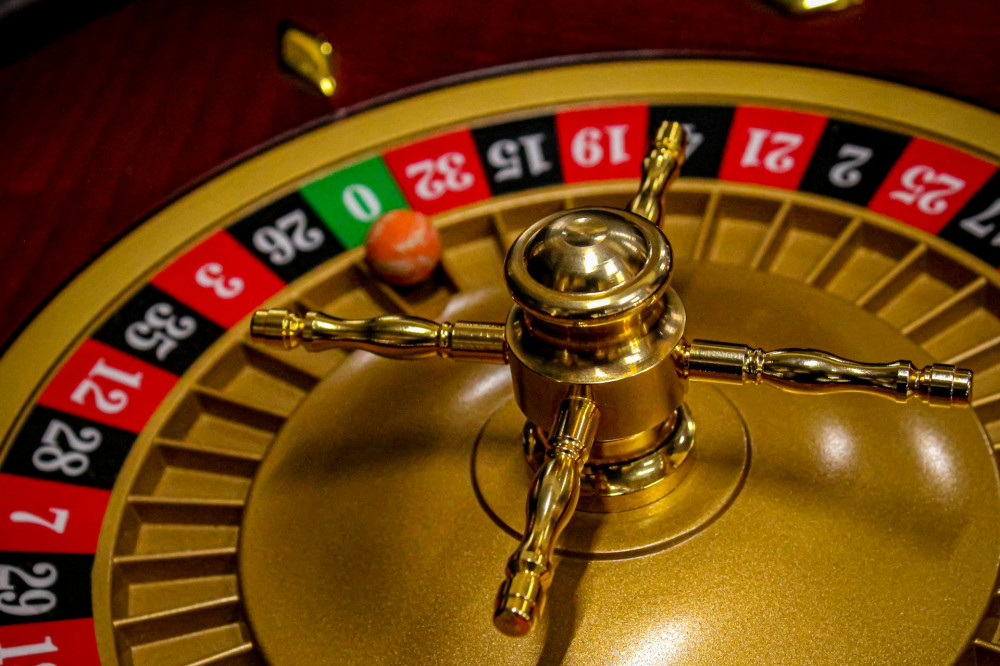
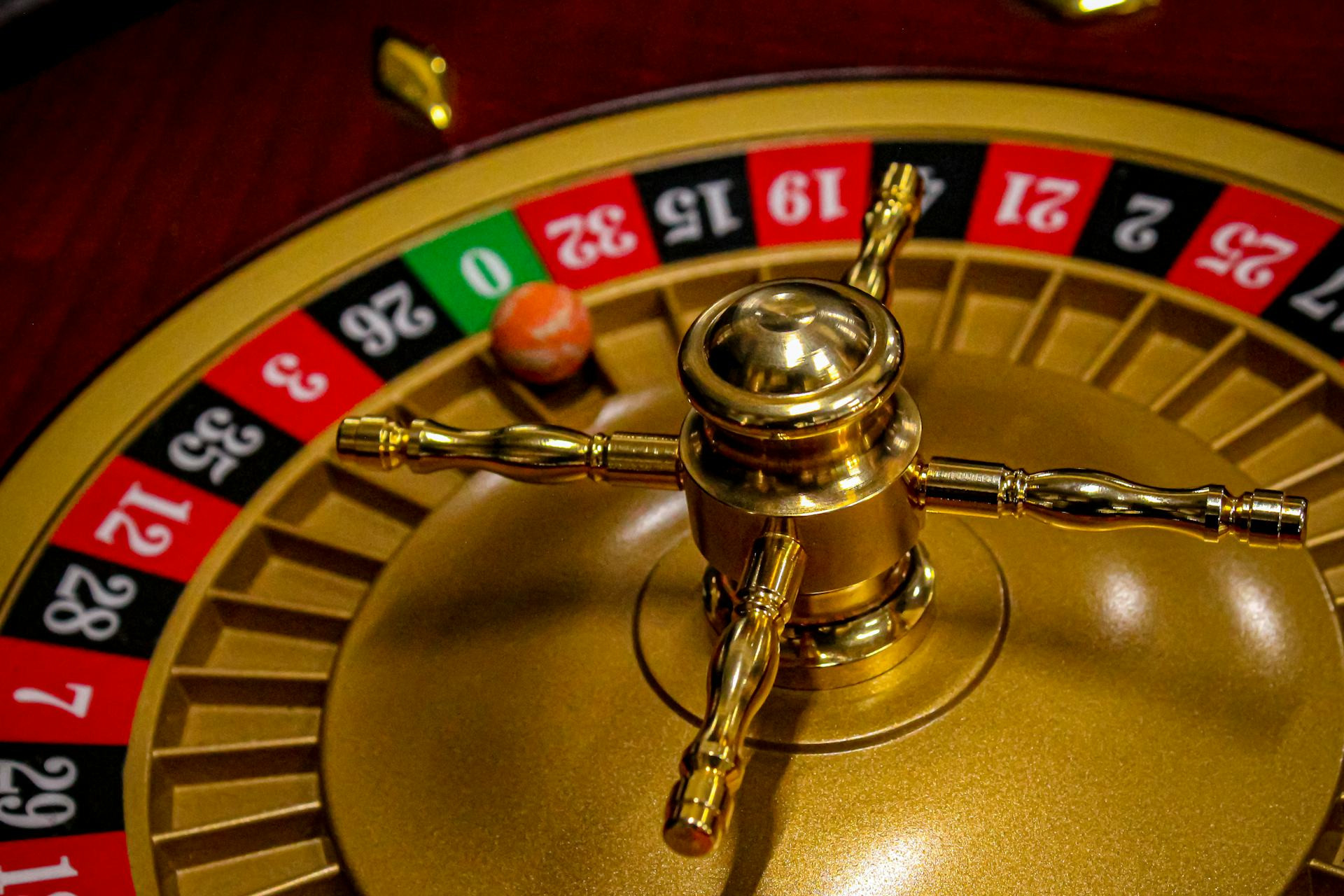
When the roulette wheel spins or the cards are dealt, it’s easy to believe you can spot a pattern. Maybe the ball has landed on red five times in a row, or the dealer seems unusually lucky. But no matter how much you try to predict the next outcome, one fundamental truth remains: casino games are governed by chance—and chance cannot be controlled. To understand why, we need to look at how probability and randomness actually work.
What Does “Random” Really Mean?
Randomness describes situations where outcomes cannot be predicted with certainty. In a game like roulette, each spin is completely independent of the last. The wheel doesn’t “remember” previous results, and the ball has no memory. That means the probability of landing on red, black, or green is always the same—no matter what happened before.
A common misconception is that you can “feel” what’s coming next. This belief is known as the gambler’s fallacy—the idea that past outcomes influence future ones. In reality, every spin or deal is a new event with exactly the same probabilities as before.
Probability – The Mathematics Behind the Game
Probability is the mathematical study of how likely an event is to occur. For example, when rolling a fair six-sided die, the chance of rolling a six is 1 in 6, or about 16.7%. That doesn’t mean you’ll roll a six every sixth time, but that over many rolls, the results will average out around that ratio.
Casino games are built on the same principles. Each game has a theoretical return to player (RTP), which represents the average percentage of money wagered that is paid back to players over time. But this is an average, not a guarantee. In any single session, luck can swing wildly in either direction.
The Technology Behind Randomness
In physical casinos, randomness comes from mechanical processes—a spinning wheel, shuffled cards, or rolling dice. In online casinos, it’s created by Random Number Generators (RNGs). An RNG is a computer algorithm that continuously produces long sequences of random numbers, which determine the outcome of each game.
These systems are tested and certified by independent regulators to ensure they can’t be manipulated. Every time you click “spin” or “deal,” a new, unpredictable result is generated—completely independent of previous games.
Why Strategies Can’t Change the Odds
Many players try to develop strategies to “beat the system.” In roulette, for instance, the Martingale system involves doubling your bet after every loss in hopes of recovering previous losses with one win. While it might seem logical in theory, it doesn’t change the underlying probabilities. The risk of hitting a long losing streak—and running out of money—always exists.
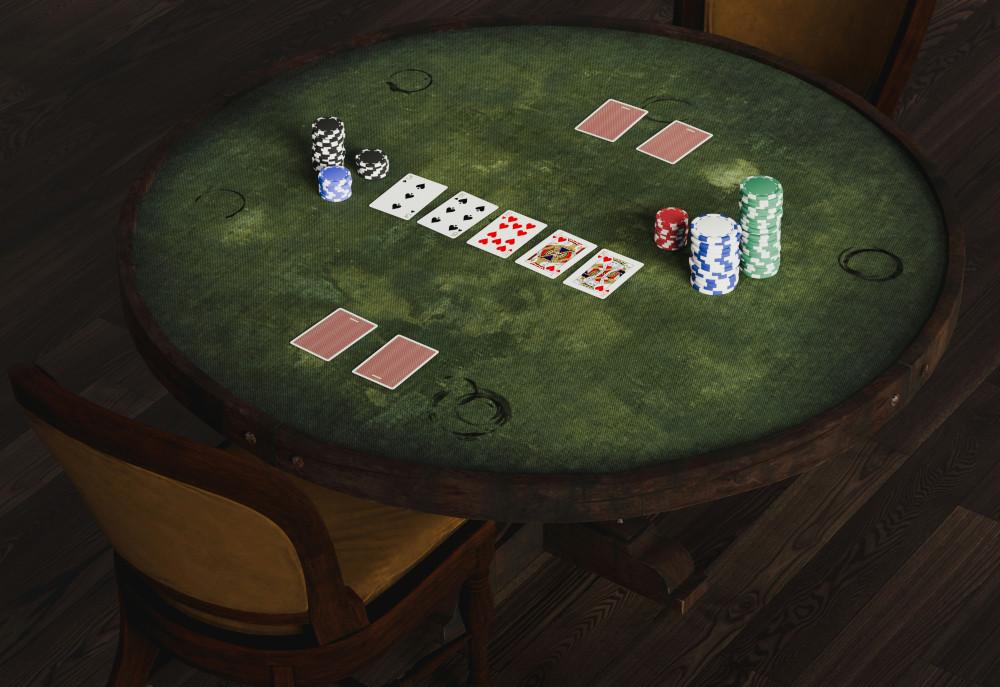
In card games like blackjack or poker, skill and strategy can improve your decisions, but they can’t eliminate chance. You can play perfectly and still lose, simply because the cards fall the way they do.
Our Brain’s Need to Find Patterns
One reason we believe we can predict outcomes is psychological. Humans are wired to find patterns—it’s a survival mechanism that helps us make sense of the world. But in games of chance, this instinct can mislead us. We see connections where none exist and believe that luck or bad streaks come in waves.
This tendency makes casino games both exciting and risky. When we think we can control randomness, we’re more likely to play longer and bet more than we intended.
Læs også:

Accepting Chance – and Playing Responsibly
Understanding probability doesn’t take the fun out of gambling—it puts it in perspective. Casino games are entertainment, not a path to guaranteed profit. When you accept that outcomes are random, it becomes easier to play responsibly and to stop when the fun fades.
The best thing any player can do is learn the rules, understand the odds, and set clear limits on time and money. In the end, it’s the very unpredictability of chance that makes the game thrilling—and reminds us that no one can ever truly predict what comes next.
Læs også: