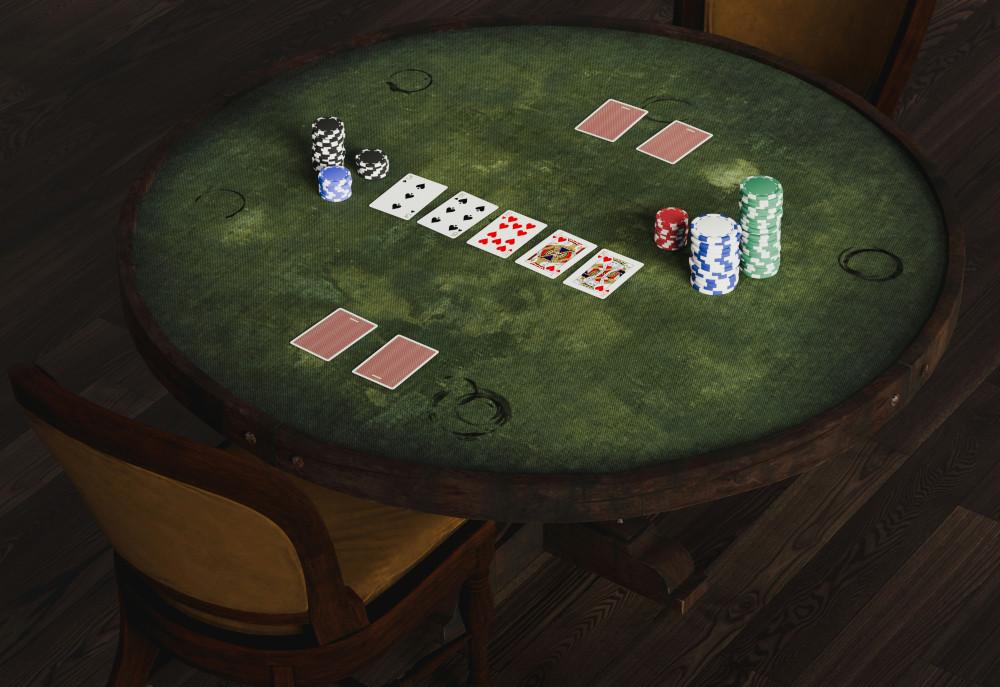
Tournaments and Strategy: How to Adapt Your Gameplay Against Experienced Opponents

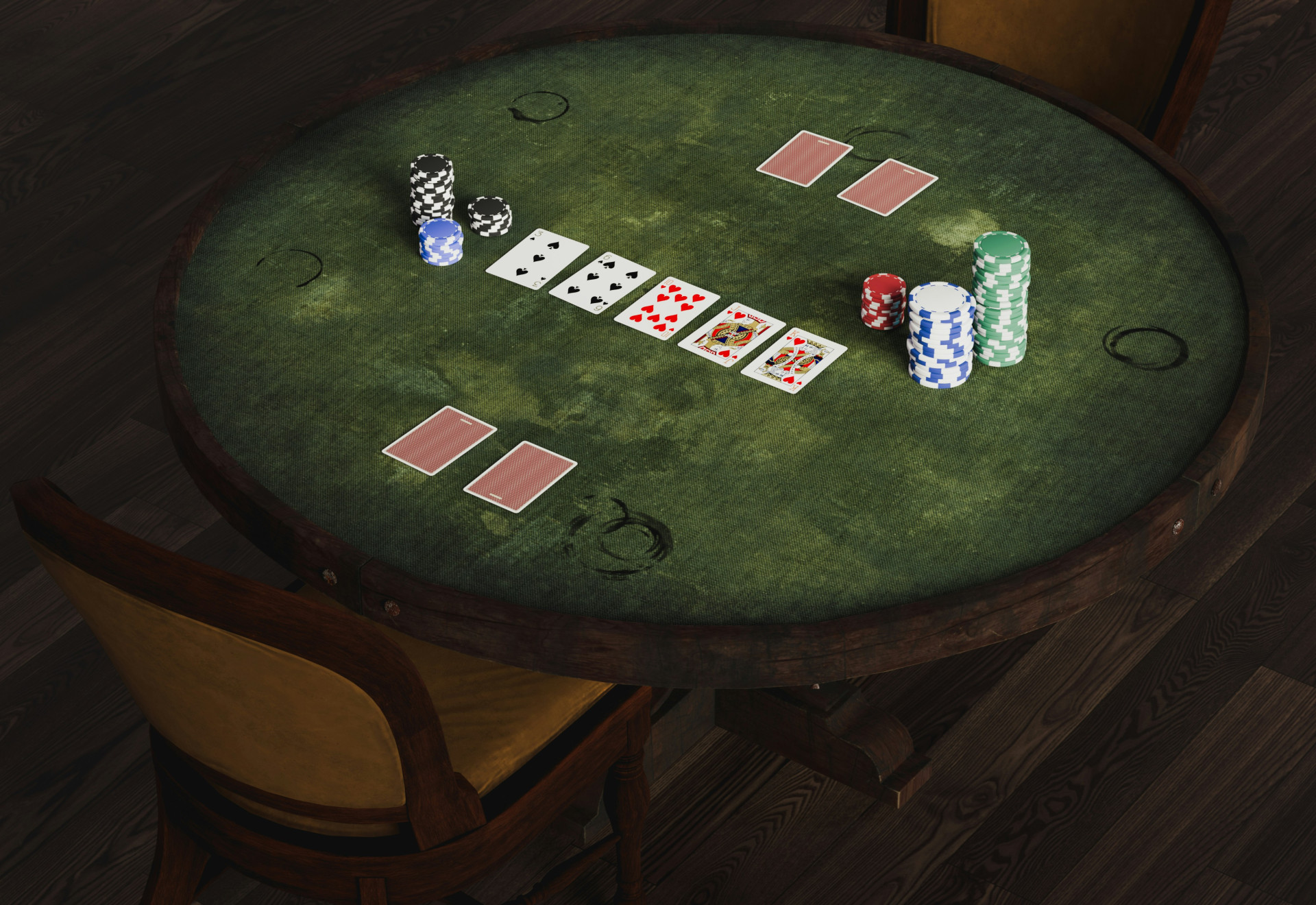
Tournaments and Strategy: How to Adapt Your Gameplay Against Experienced Opponents
Competing in tournaments—whether it’s poker, chess, esports, or another strategic game—is a completely different experience from playing casually or online for fun. In a tournament, you’ll face players who have logged countless hours of practice, mastered the game’s mechanics, and know how to exploit even the smallest mistakes. To succeed, you need more than just skill—you need adaptability. Here’s how to refine your strategy when facing seasoned opponents.
Understand the Difference Between Casual and Tournament Play
Casual games are often about entertainment and quick decisions. Tournaments, on the other hand, demand patience, precision, and long-term thinking. Experienced players analyze patterns, anticipate moves, and adjust their tactics accordingly. That means you must be aware not only of your decisions but also of how you present yourself at the table or on the screen.
- Play with patience. Many newcomers take unnecessary risks early on. Veteran players wait for the right opportunities.
- Avoid predictability. If you always react the same way in similar situations, you become easy to read. Mix up your approach to keep opponents guessing.
- Learn to read others. Tournament play is as much about people as it is about the game. Pay attention to timing, body language, and behavioral patterns.
Preparation: Your Greatest Advantage
Even the best players prepare extensively. Preparation isn’t just about knowing the rules—it’s about understanding probabilities, psychology, and the flow of competition.
- Study past tournaments. Watch how top players handle pressure and adapt to different scenarios. Many events are streamed or analyzed online.
- Create a game plan. Think about how you’ll approach the early, middle, and late stages of the tournament. Your strategy should evolve as the stakes rise.
- Train your mental endurance. Long tournaments test focus and composure. Practice staying calm and attentive, even after setbacks.
Adjust to the Skill Level of Your Opponents
When facing experienced players, you don’t have to beat them at their own game. Instead, look for weaknesses in their approach and exploit them.
- Observe their habits. Even elite players have tendencies—some are overly aggressive, others too cautious. Use that knowledge to your advantage.
- Change your tempo. If you usually play fast, slow down occasionally. Shifting pace can disrupt opponents who are trying to read your rhythm.
- Defy expectations. Skilled players expect you to play “by the book.” Surprise them with unconventional moves—but only when it makes strategic sense.
Læs også:



The Psychology of Tournament Play
In tournaments, the mental game is often as important as the technical one. Experienced players may try to influence your decisions through subtle cues—comments, timing, or demeanor.
- Stay composed. Don’t let emotions dictate your play. A calm mindset leads to better decisions.
- Avoid tilt. “Tilt” happens when frustration clouds judgment. Recognize when you’re losing focus and take a break if needed.
- Use psychology to your benefit. You can influence opponents by projecting confidence, varying your pace, or creating uncertainty about your intentions.
Learn from Defeat
Even the most accomplished players lose. The difference is that they treat losses as opportunities to improve. After each tournament, analyze your performance: What worked? What didn’t?
- Take notes. Record situations that challenged you and how you responded.
- View mistakes as data. Every error is a chance to refine your strategy.
- Seek feedback. Discuss your play with others or review recordings if available. Outside perspectives can reveal patterns you might miss.
The Long-Term Strategy
Becoming a strong tournament player isn’t about winning one event—it’s about consistent growth. That requires discipline, reflection, and a genuine passion for learning.
- Set realistic goals. Start with smaller tournaments and build experience gradually.
- Manage your resources. In games involving entry fees or buy-ins, bankroll management is crucial. Only play with what you can afford to lose.
- Keep the joy alive. Focusing solely on winning can drain motivation. Remember that competition is also about community, challenge, and personal development.
Conclusion: Strategy Is More Than Technique
Adapting your strategy against experienced opponents isn’t just about mastering the mechanics of a game—it’s about understanding people, psychology, and momentum. The more you learn to observe, analyze, and adjust, the better your chances of standing toe-to-toe with even the most seasoned competitors—and maybe even surprising them.
Læs også: