Virtual Reality and 3D: How New Technology Is Shaping the Future of Slot Machines

Virtual Reality and 3D: How New Technology Is Shaping the Future of Slot Machines
Slot machines have come a long way since the first mechanical “one-armed bandits” appeared in the late 19th century. From the clinking reels of classic machines to the colorful digital slots found online, technology has continuously transformed how people play. Now, the industry is on the verge of another major leap forward—driven by virtual reality (VR) and 3D graphics. These innovations are redefining how players experience entertainment, interaction, and atmosphere in the world of casinos.
From Flat Screens to Full Immersion
For years, online slot machines have been two-dimensional experiences: players click a button, watch the reels spin, and hope for a winning combination. VR and 3D are changing that completely. Instead of simply watching the game, players can step inside it.
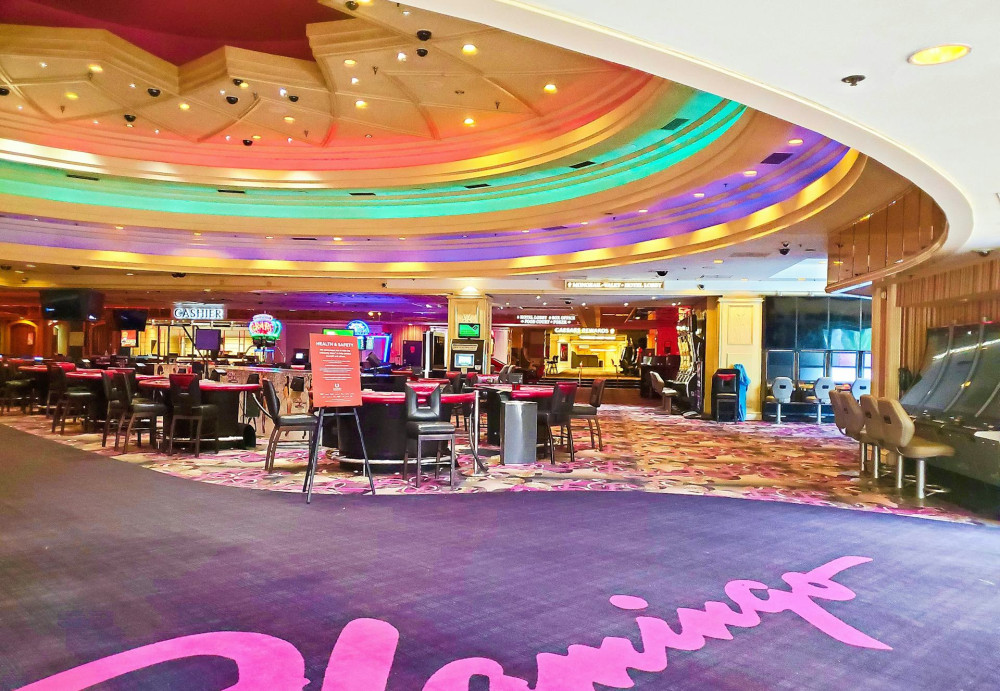
With a VR headset, a player can walk through a virtual casino, sit down at a slot machine, and pull the lever with a hand gesture. Surround sound, lighting effects, and spatial depth create the illusion of being physically present—even when playing from home. The result is a far more sensory and engaging experience than traditional online slots can offer.
3D Graphics Bring Games to Life
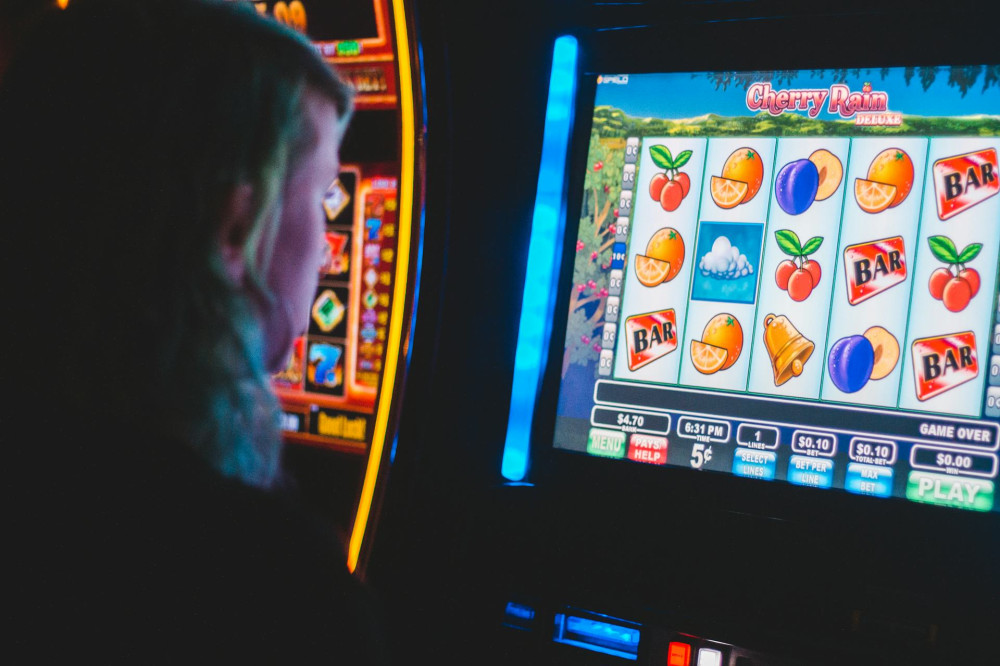
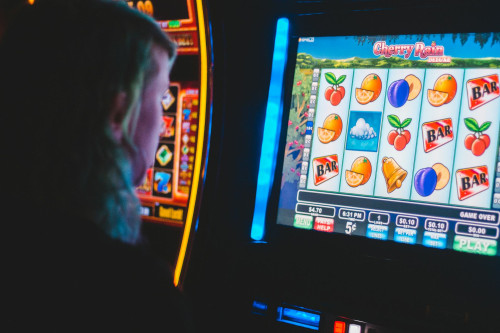
3D technology has already made its mark on many modern slot games. Instead of flat symbols and static backgrounds, today’s slots feature depth, motion, and cinematic detail. Characters move, react to player actions, and help tell small stories as the game unfolds.
This evolution turns slot machines into more than just games of chance—they become interactive experiences where visuals, sound, and storytelling blend together. For many players, that makes the game feel more alive and entertaining, even when the reels don’t land in their favor.
Læs også:

Social Casinos in Virtual Worlds
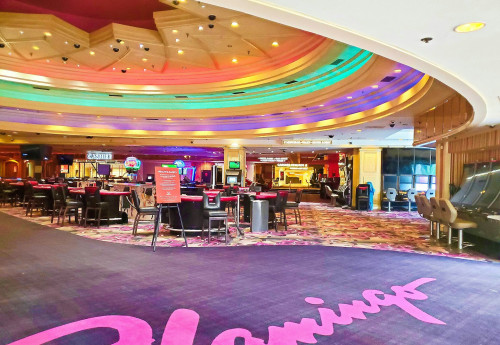
One of the most exciting aspects of VR is its social potential. In a virtual casino, players can meet, chat, and share experiences in real time. It recreates the buzz of a physical casino floor, where people cheer each other on and enjoy the sense of community.
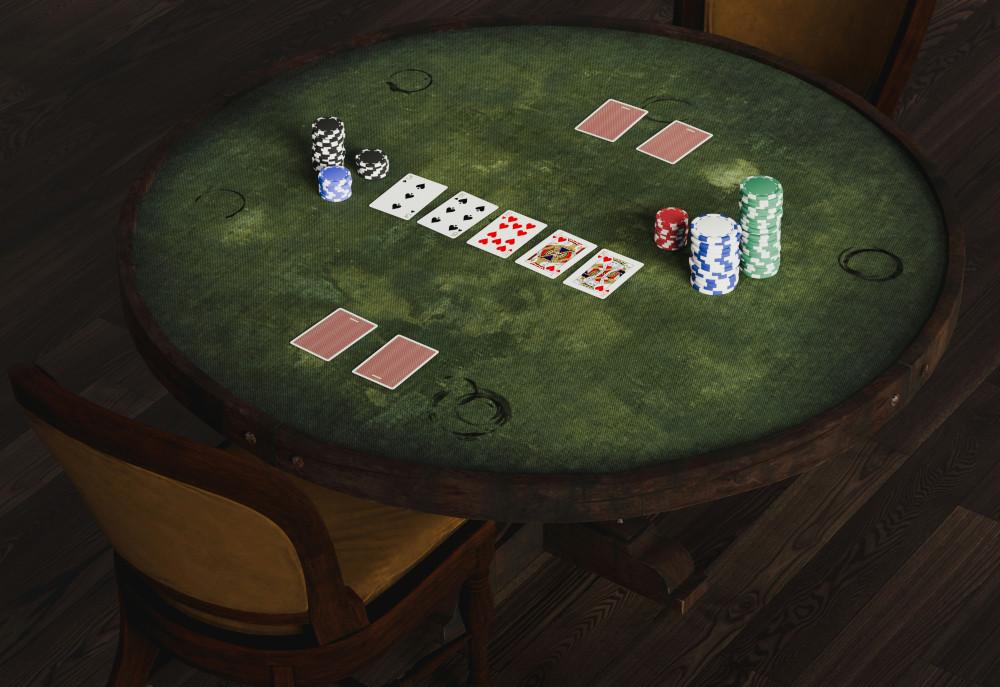
Several developers are already working on VR casinos where players can move between slot machines, table games, and lounge areas—all within a digital environment. This opens the door to a new kind of social gaming, where entertainment and connection go hand in hand.
The Challenges of New Technology
Despite the promise, there are still hurdles to overcome. VR equipment remains relatively expensive, and not every player has access to the necessary hardware. VR gaming also demands powerful computers and stable internet connections to run smoothly.
Game developers face another challenge: finding the right balance between realism and playability. Too much visual complexity can make a game slow or overwhelming, while too little can break the illusion. The industry must therefore design experiences that are both technically impressive and easy to enjoy.
The Future Casino Experience
Although VR and 3D are still in their early stages in the casino world, all signs point to them playing a major role in the future. As the technology becomes more affordable and widespread, more players will have the chance to experience this new form of digital entertainment.
In the years ahead, slot machines may no longer be about pressing a button—they’ll be about stepping into a world where gaming, storytelling, and interaction merge seamlessly. It’s an evolution that appeals to both the senses and the imagination, and it could fundamentally change how we think about casino gaming.
Læs også: