Data and Algorithms Sharpen Cycling Odds – What Does That Mean for You?

Data and Algorithms Sharpen Cycling Odds – What Does That Mean for You?
Cycling has always been a mix of endurance, tactics, and unpredictability. But in recent years, a new player has entered the race – data. From power meters and GPS tracking to advanced algorithms analyzing riders’ performances, cycling has become a sport where technology and statistics are as important as physical strength. This shift doesn’t just affect team strategies; it’s also changing how fans and bettors understand and interpret the odds.
From Gut Feeling to Data-Driven Predictions
Not long ago, betting on cycling relied heavily on intuition, experience, and a sense of who was “in form.” Today, that’s changing fast. Bookmakers and analytics firms now use massive datasets to calculate probabilities for everything from stage wins to mountain classifications. Algorithms take into account factors such as:
- Recent performance metrics – power output, recovery rates, and results on similar terrain.
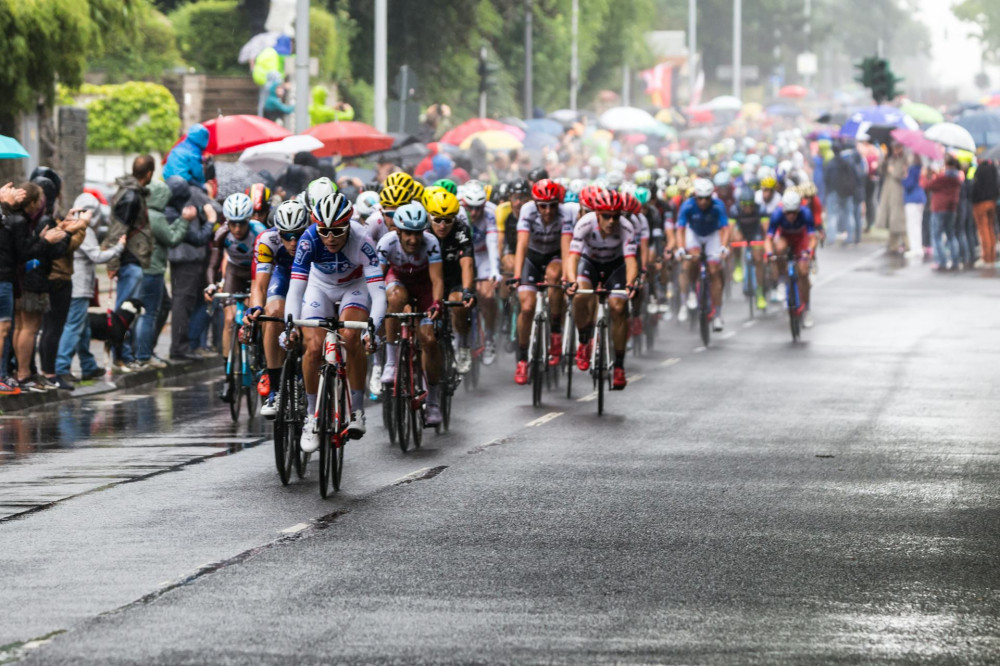
- Weather conditions – wind direction, temperature, and rain can dramatically alter a race’s dynamics.
- Team strategy – the strength of a team lineup and who’s expected to lead.
- Historical patterns – how riders have performed in specific races or under certain conditions.
The result? More accurate odds – but also a more complex market where finding value requires real insight.
The Algorithms Behind the Numbers
The algorithms shaping cycling odds resemble those used in finance. They combine statistical modeling with machine learning, allowing systems to adjust in real time as new data arrives. If a rider suddenly shows unexpected form or a team changes tactics, the model can quickly update its predictions.
For instance, a model might analyze thousands of data points from past stages to uncover patterns invisible to the human eye. That means bookmakers can react faster to new developments – and it’s getting harder for casual bettors to “beat the system.”
What It Means for You as a Bettor
If you follow cycling and occasionally place a bet, this evolution brings both opportunities and challenges. On one hand, you now have access to far more information than ever before. Many platforms share open performance data, allowing you to do your own analysis and spot potential value.
On the other hand, sharper algorithms make the market more efficient. Odds adjust quickly when new information appears, leaving fewer “mistakes” to exploit. Success increasingly depends on understanding data – not just following your gut.
A smart approach is to focus on niche areas where algorithms may have less data to work with: smaller races, emerging riders, or stages with unique local conditions. That’s where human insight can still make a difference.
When Data Meets Passion
Even with all the data in the world, cycling remains gloriously unpredictable. A crash, a puncture, or a bold tactical move can still turn everything upside down. That’s what keeps fans hooked – and what no algorithm can fully predict.
For many, the key is balance. Data can enhance your understanding of the sport, but it shouldn’t replace the human element. Combining analytics with your own feel for race dynamics gives you the best of both worlds.
Læs også:
The Future of Cycling Odds
The data revolution is only beginning. In the coming years, expect even more advanced models that integrate real-time sensor data and live race updates. Odds could shift minute by minute, giving bettors the chance to react instantly.
But this also raises questions about ethics and transparency. Who owns the data? And how can the sport ensure fair access to information? These are issues both cycling and the betting industry will need to address.
A New Era for Cycling Fans
Data and algorithms are transforming how we experience cycling. They make the sport more measurable – and more complex. For fans and bettors alike, the challenge is to find the right balance between technology and intuition, between numbers and narrative.
Cycling will always be about human effort – riders battling the elements, their rivals, and their own limits. But in the digital age, they’re also racing against the numbers. And that makes following the sport more fascinating than ever.
Læs også: