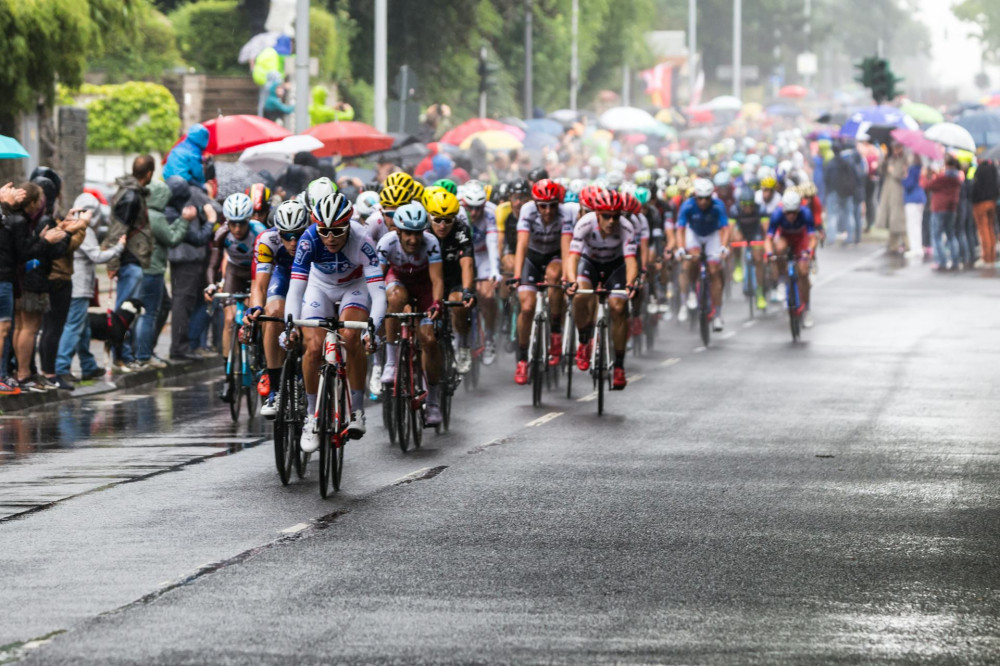
The Importance of Race Types: How Stages and Sprints Affect Your Live Betting Strategy

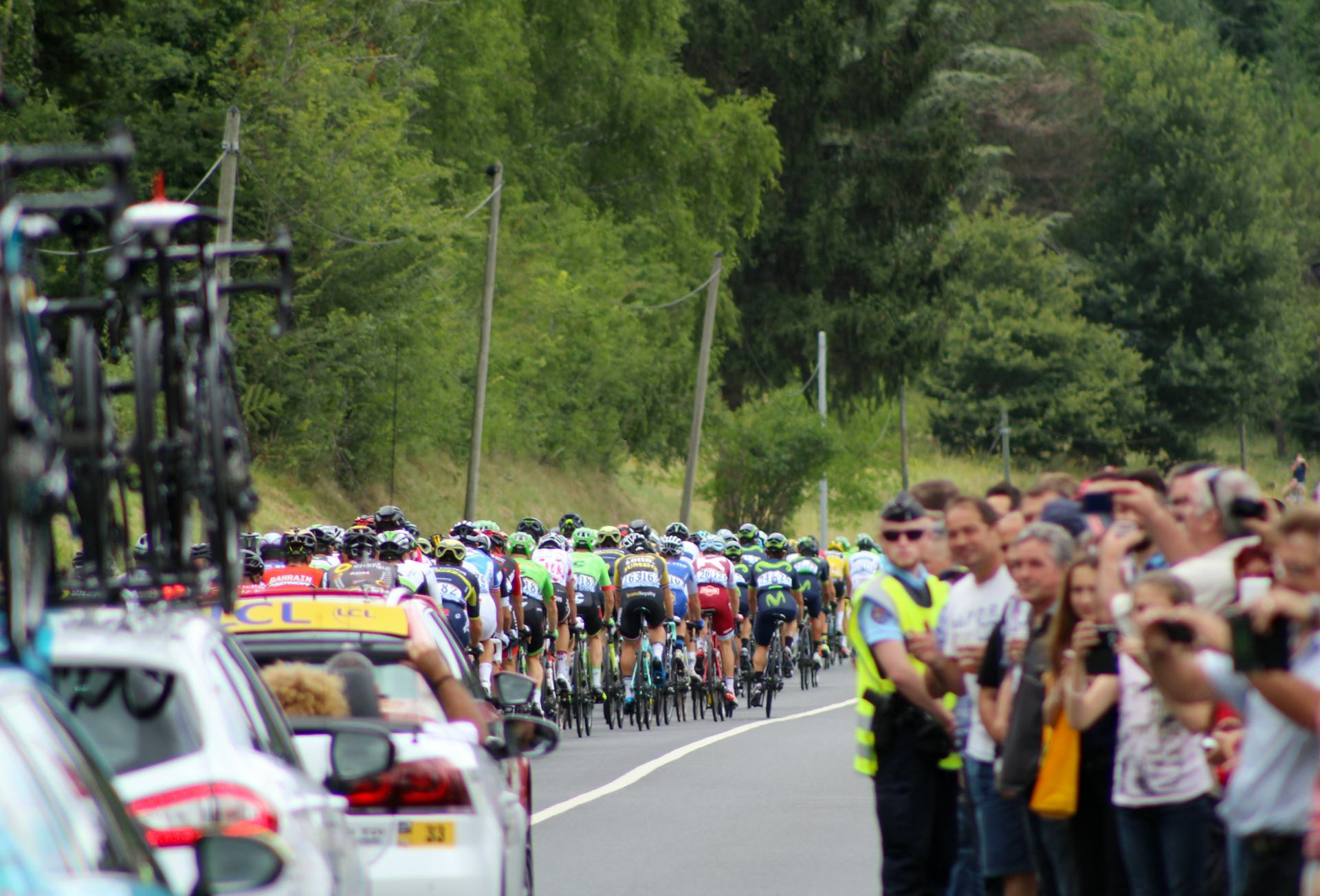
The Importance of Race Types: How Stages and Sprints Affect Your Live Betting Strategy
Professional cycling is much more than riders grinding through endless miles. Each stage has its own character, and the type of race can dramatically influence how you should approach your live betting strategy. For those who understand the difference between a mountain stage, a flat sprint, or a technical time trial, a world of opportunities opens up to read both the race—and the odds—more accurately.
Understanding Race Types – The Key to Smarter Decisions
When following a cycling race live, it’s crucial to know what kind of stage is being contested. The most common types are:
- Flat stages – designed for sprinters, where positioning and timing in the final kilometers are everything.
- Mountain stages – where climbers and general classification contenders shine.
- Hilly stages – unpredictable and often shaped by breakaways.
- Time trials – individual efforts against the clock, where form and aerodynamics rule.
Each type demands a different approach, both from the riders and from you as a live bettor. Knowing the riders’ strengths and team tactics can give you a valuable edge when assessing how the race is likely to unfold.
Læs også:

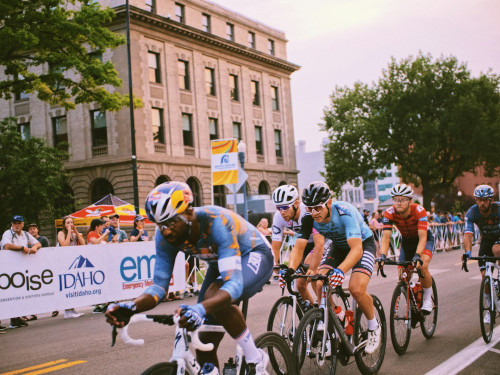
Flat Stages: When Margins Decide Everything
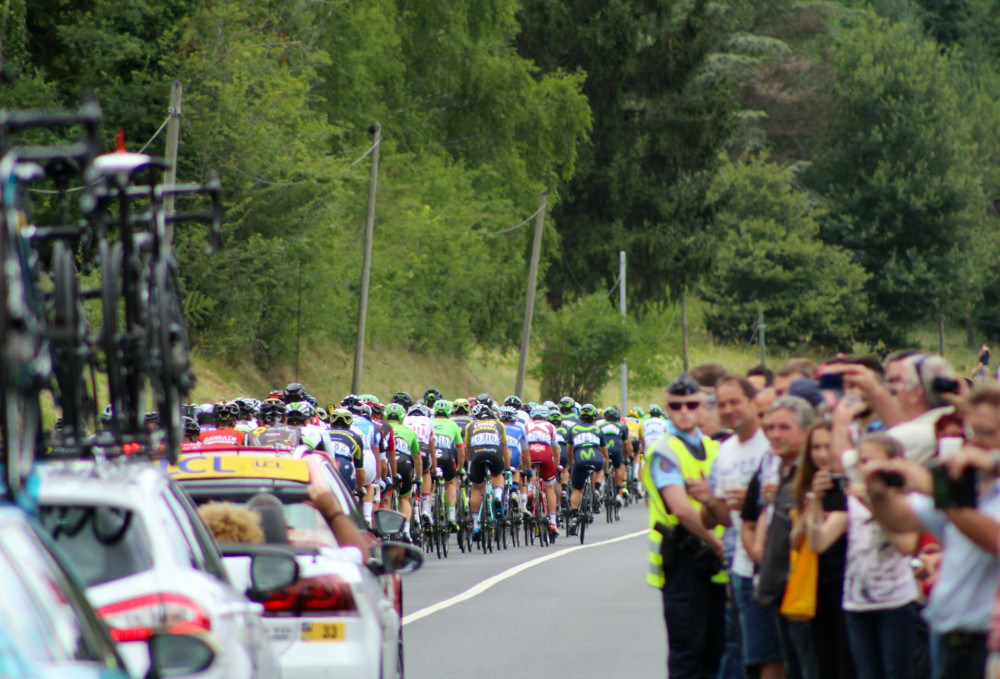
On flat stages, it’s almost always the sprinters who battle for victory. But even small changes in wind direction, a crash in the peloton, or a sudden crosswind can turn everything upside down.
As a live bettor, keep an eye on:
- Wind and pace – crosswinds can split the peloton and give breakaways a chance.
- Team control – if the sprint teams lose riders, the breakaway might survive.
- Positioning before the sprint – riders too far back rarely recover in time.
You can often spot value in the odds when a sprint team looks disorganized or when an outsider sprinter is perfectly positioned with a strong lead-out.
Mountain Stages: Strategy, Endurance, and Momentum
In the mountains, everything changes. It’s not just about power—it’s about tactics, pacing, and mental strength. General classification riders think in seconds, while breakaway specialists chase stage wins.
During live betting, pay attention to body language and tempo. A rider who looks strong on the early climbs might be a good pick for a top finish—but remember, mountain stages often play out like a chess match.
Watch for:
- Team support – does the team leader still have domestiques nearby?
- Gaps between favorites – small differences can grow quickly.
- Weather conditions – heat, cold, and rain affect riders differently.
When a favorite starts to show weakness, that’s often the moment to act—odds shift fast, and momentum is everything.
Hilly Stages: The Playground of Unpredictability
Hilly stages are often the most exciting for live betting. Anything can happen: breakaways, tactical games, and surprise winners.
These stages require close attention. A breakaway might be allowed to go if the favorites are saving energy, and riders in good form can take advantage.
As a live bettor, you can benefit by:
- Analyzing the breakaway composition – are there strong riders the peloton won’t chase?
- Assessing motivation – riders not fighting for the overall classification may go all-in for a stage win.
- Reacting quickly – odds can shift dramatically when a break gains time.
Here, timing and intuition matter most—along with knowing which riders thrive in rolling terrain.
Time Trials: When Data Meets Form
Time trials are the most predictable race type—but also the most technical. There’s no team strategy, just pure individual performance.
For live betting, this means you can use data actively: intermediate times, power output, and weather updates give a clear picture of who’s performing best.
Pay attention to:
- Weather changes – wind or rain can alter conditions between early and late starters.
- Start order – favorites starting later may benefit from knowing target times.
- Form trends – riders improving in recent time trials often deliver consistent results.
You can find value by reacting to live data before the market adjusts.
Adapting Your Live Betting Strategy
Understanding race types isn’t just about knowing cycling—it’s about reading real-time dynamics. A strong strategy combines preparation with quick decision-making:
- Do your research before the race – know the riders’ strengths, team goals, and stage profile.
- Follow the race actively – watch live coverage, listen to commentary, and track data.
- Stay flexible – odds and race situations change fast.
- Think in scenarios – what happens if the breakaway holds? If a favorite attacks early?
The better you understand the rhythm of the race, the better you can capitalize on moments when the market hasn’t yet reacted.
From Analysis to Intuition
Live betting on cycling is a balance between analysis and instinct. Statistics and data can take you far, but intuition—the ability to read the race—often makes the difference.
When you learn to recognize the patterns in different race types, you become not only a sharper bettor but also a more engaged fan. Because in cycling, as in betting, it’s often the smallest details that decide everything.
Læs også: