The Bookmaker as a Mirror of Society’s Views on Gambling, Risk, and Control


The Bookmaker as a Mirror of Society’s Views on Gambling, Risk, and Control
The bookmaker is more than a figure in the entertainment industry—it is a mirror reflecting how society perceives risk, control, and the allure of chance. From the smoky racetracks of the early 20th century to today’s sleek mobile betting apps, the bookmaker’s role has evolved alongside shifting American attitudes toward morality, technology, and personal freedom. Gambling is no longer confined to Las Vegas or Atlantic City; it is a nationwide pastime, a multibillion-dollar industry, and a cultural phenomenon that reveals how we, as a society, engage with uncertainty.
From the Betting Window to the Smartphone
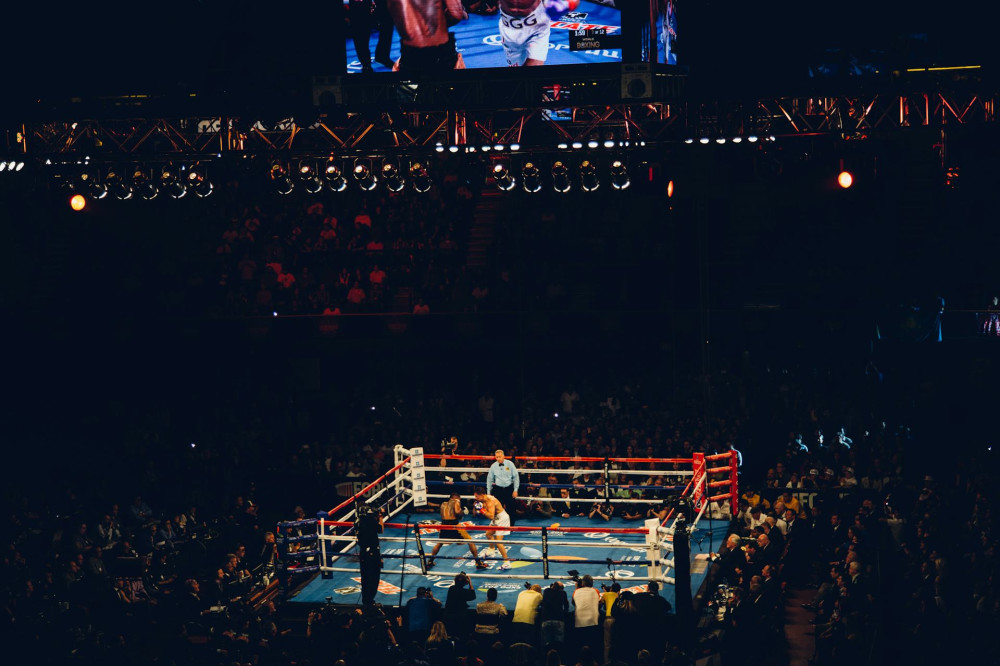
Historically, the bookmaker was a tangible presence—a person behind a counter taking bets on horse races or boxing matches. The experience was social, often tied to specific places and communities. Today, the bookmaker is an algorithm, a digital interface offering thousands of betting options on everything from the Super Bowl to e-sports tournaments.
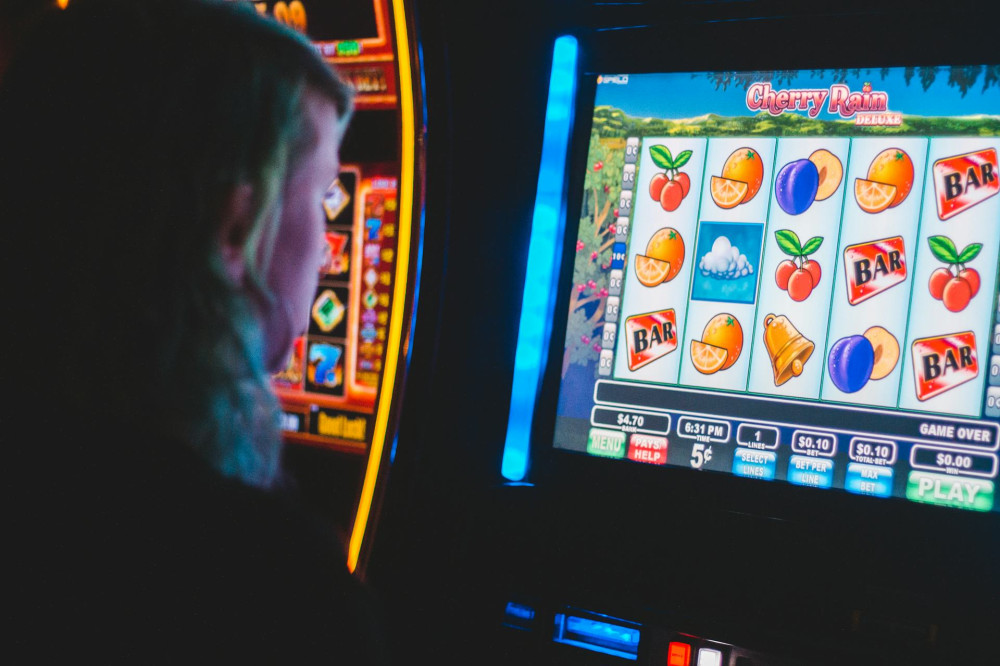
This transformation mirrors broader trends in American life: digitalization, convenience, and individualization. What was once a communal activity has become a private one, accessible from a couch or a commute. The ease of access has democratized gambling but also blurred the line between entertainment and addiction. Regulation, once focused on physical venues, now faces the challenge of governing a borderless digital marketplace.
Risk as Entertainment
At its core, gambling is about risk—but also about the illusion of control. The bookmaker offers a sense of mastery: if you study the stats, follow the trends, and trust your instincts, maybe you can beat the odds. This blend of chance and strategy is part of the thrill.
In a society where much of life is structured and predictable, gambling provides a rare space for uncertainty. It allows people to flirt with chaos in a controlled environment. For some, it’s harmless fun; for others, it becomes a compulsion. The bookmaker, therefore, reflects our collective relationship with risk—our desire to manage it, defy it, or surrender to it.
Læs også:




Control and Responsibility in the Digital Age
As gambling moves online, the question of control becomes central. Federal and state authorities attempt to regulate the industry through licensing, advertising restrictions, and responsible gaming initiatives. Yet enforcement varies widely across states, reflecting America’s patchwork approach to moral and economic regulation.
Bookmakers themselves now promote tools for self-regulation: deposit limits, time reminders, and self-exclusion programs. But these tools rely on individual initiative, raising a deeper question about where personal freedom ends and societal responsibility begins. Should the state protect citizens from their own impulses, or should it trust them to manage risk on their own terms?
Gambling as a Cultural Symbol
The bookmaker also occupies a symbolic place in American culture. From classic films about hustlers and high rollers to modern portrayals of data-driven sports bettors, gambling has long represented the tension between fate and control. The gambler is both a dreamer and a strategist, embodying the American ideal of taking chances to achieve success.
Public attitudes toward gambling have shifted dramatically. Once stigmatized as vice, it is now marketed as entertainment, even patriotism—funding state lotteries, sports leagues, and local economies. Yet beneath the glossy ads lies a moral debate about responsibility, fairness, and the social cost of easy money.
The Future Bookmaker: Algorithms and Ethics
As artificial intelligence and predictive analytics reshape the betting industry, the bookmaker’s role is changing again. Algorithms not only calculate odds but also analyze player behavior, identifying patterns that can be used for both protection and profit. Personalized marketing can keep casual bettors engaged—or push vulnerable ones deeper into debt.
The challenge ahead is to balance innovation with ethics. The bookmaker of the future will not just set odds but navigate questions of data privacy, addiction prevention, and corporate accountability. In this sense, the bookmaker becomes a test case for how technology and morality intersect in modern capitalism.
A Mirror We Cannot Ignore
Ultimately, the bookmaker reflects who we are: our hopes, our fears, and our complicated relationship with control. It shows how Americans negotiate the tension between freedom and restraint, between the thrill of risk and the comfort of regulation.
When we talk about gambling, we are not just talking about money—we are talking about values. About how we define responsibility, how we manage uncertainty, and how we draw the line between choice and chance in a society that prizes both freedom and control.
Læs også: